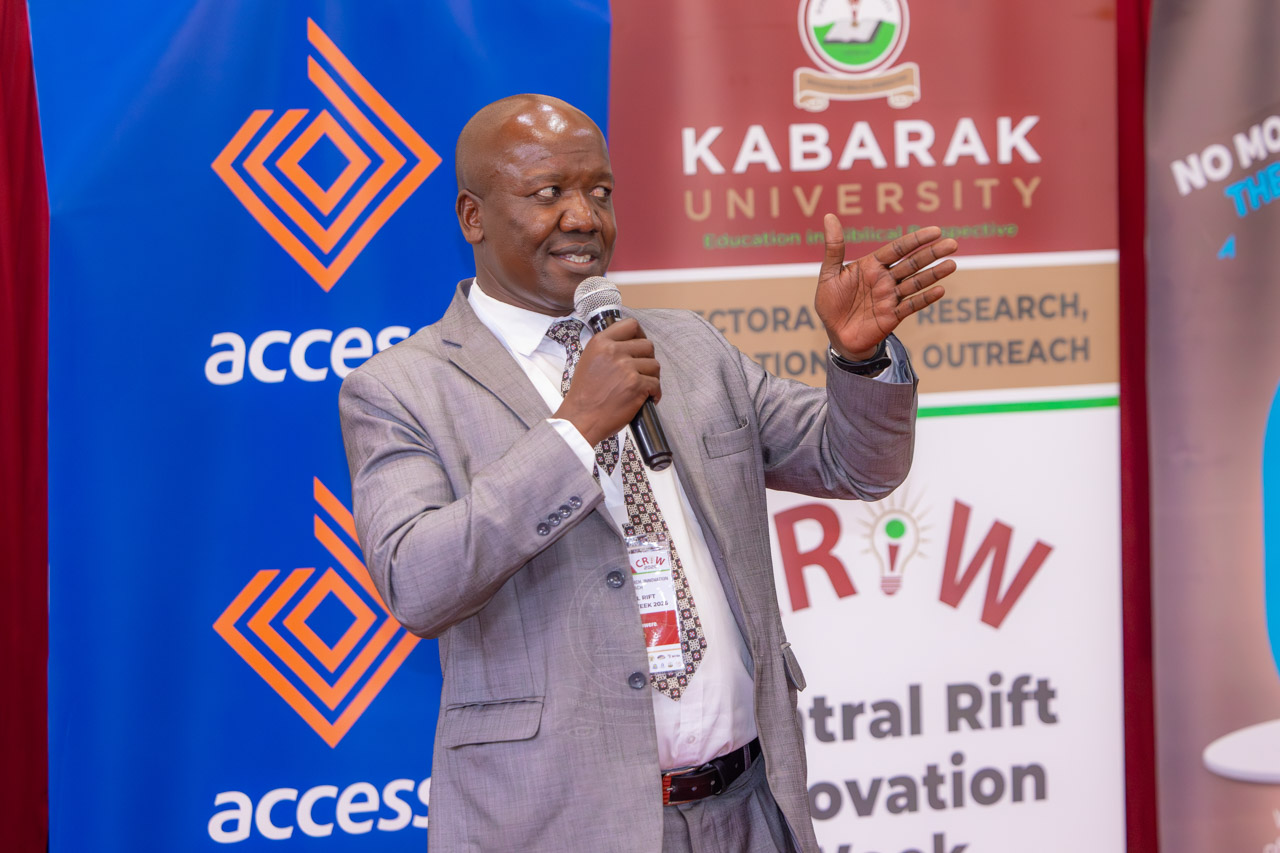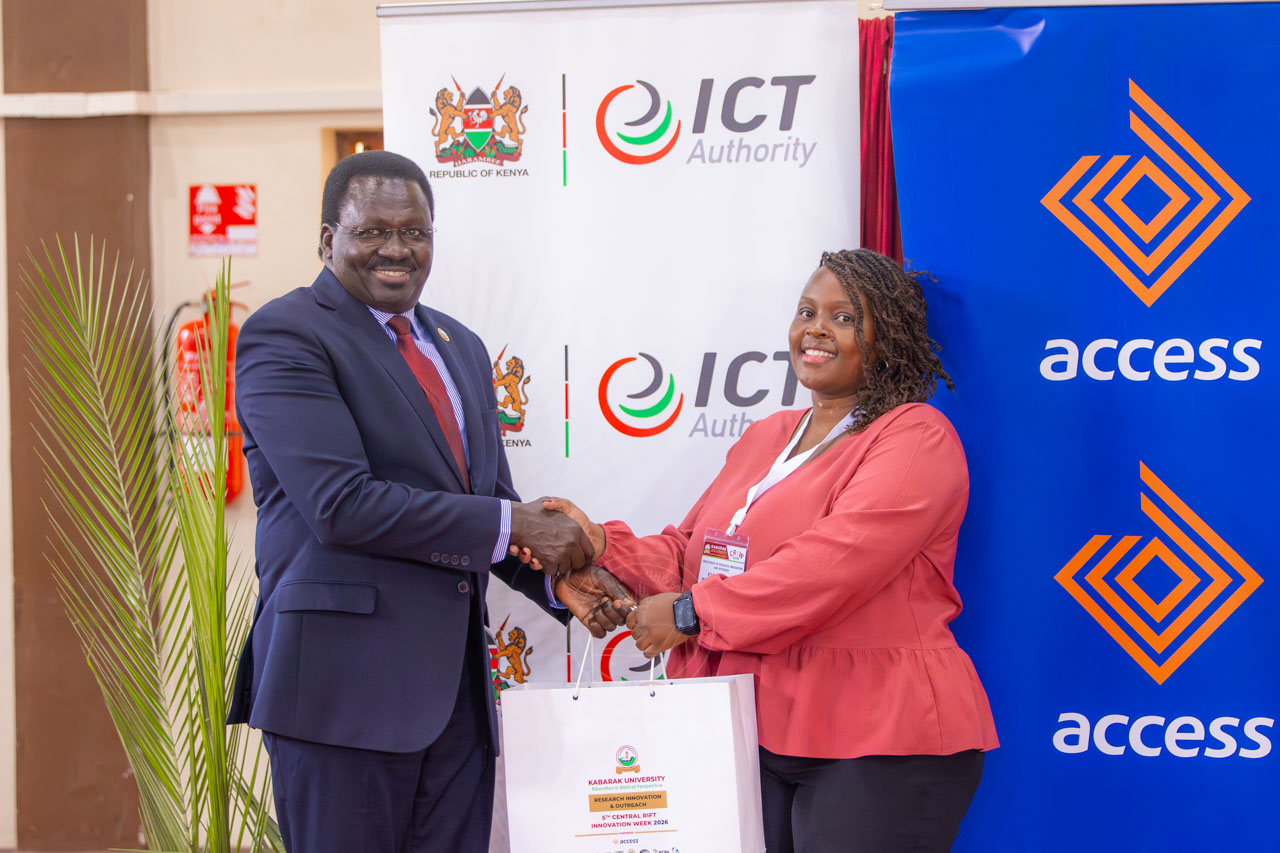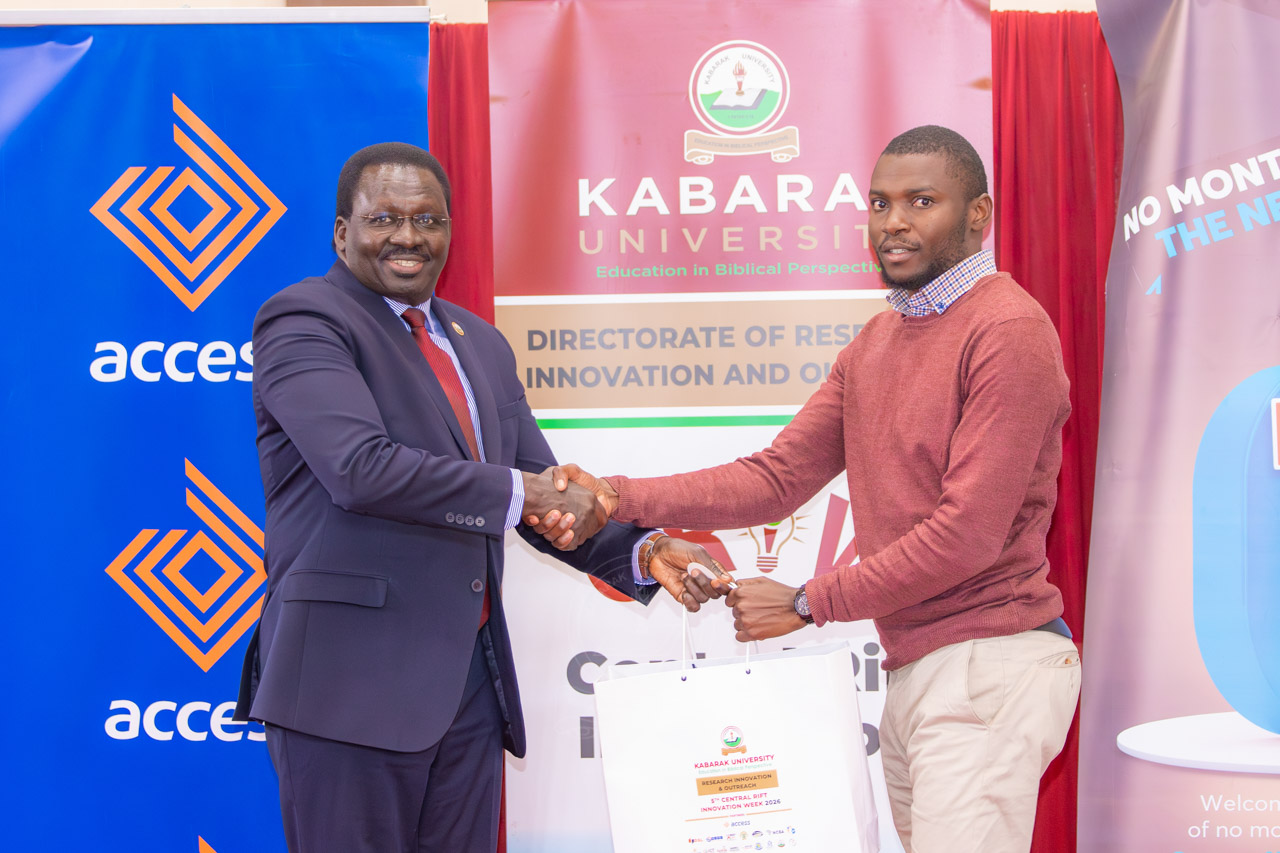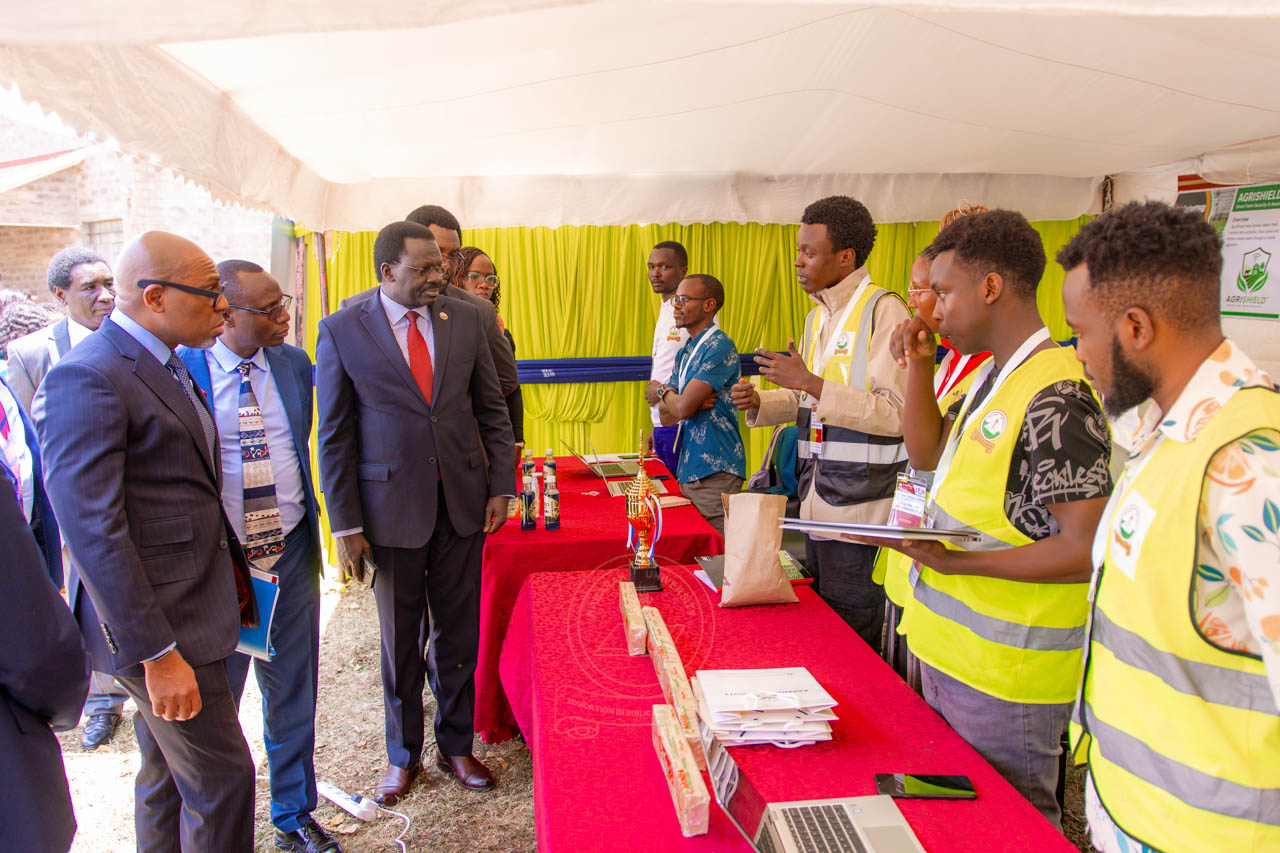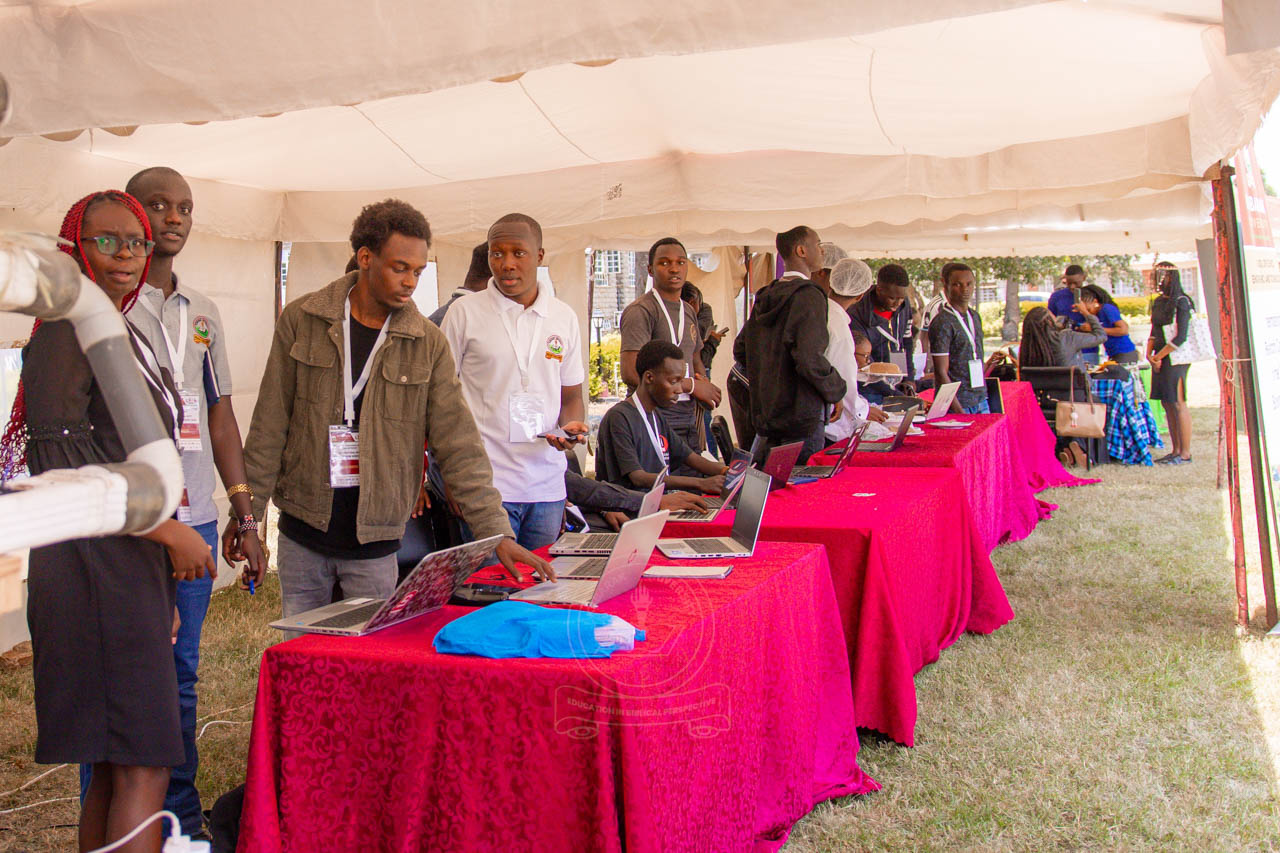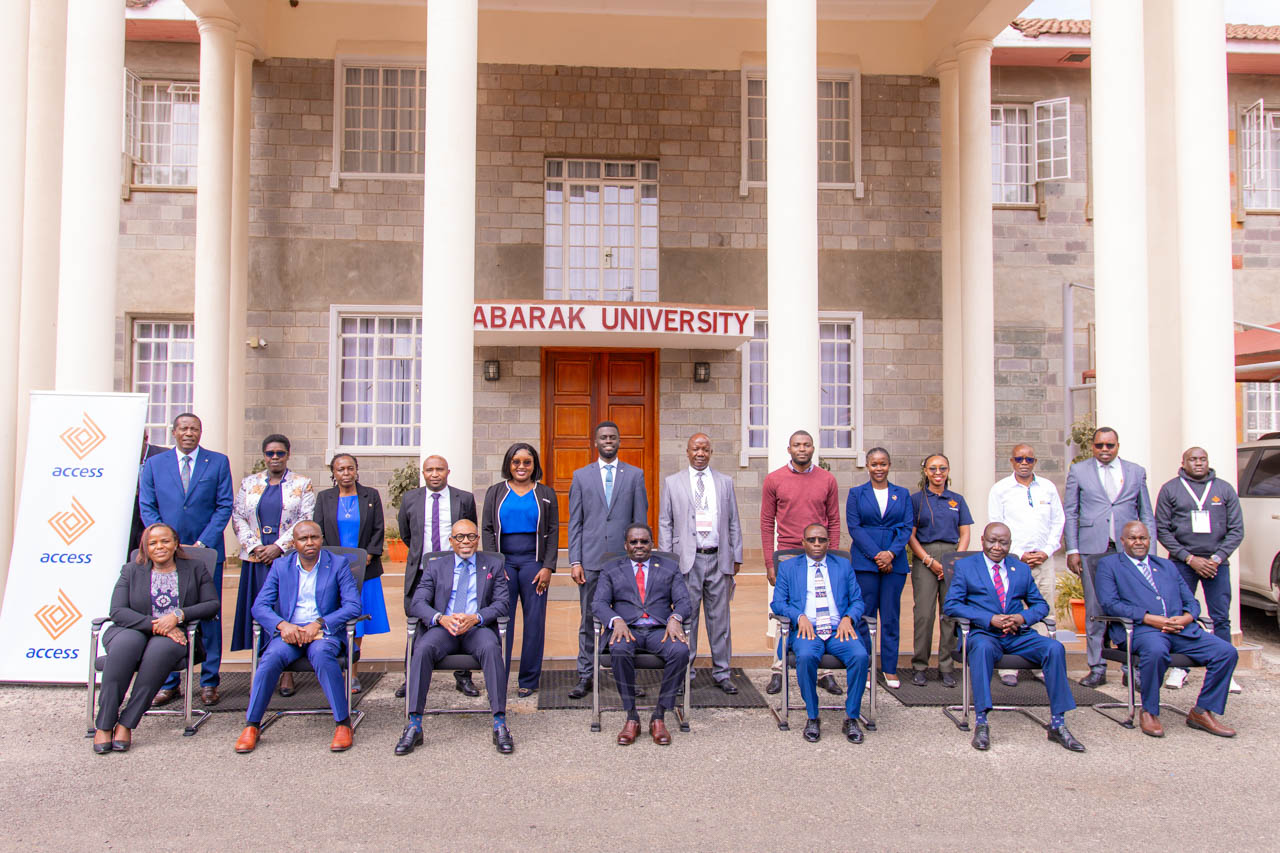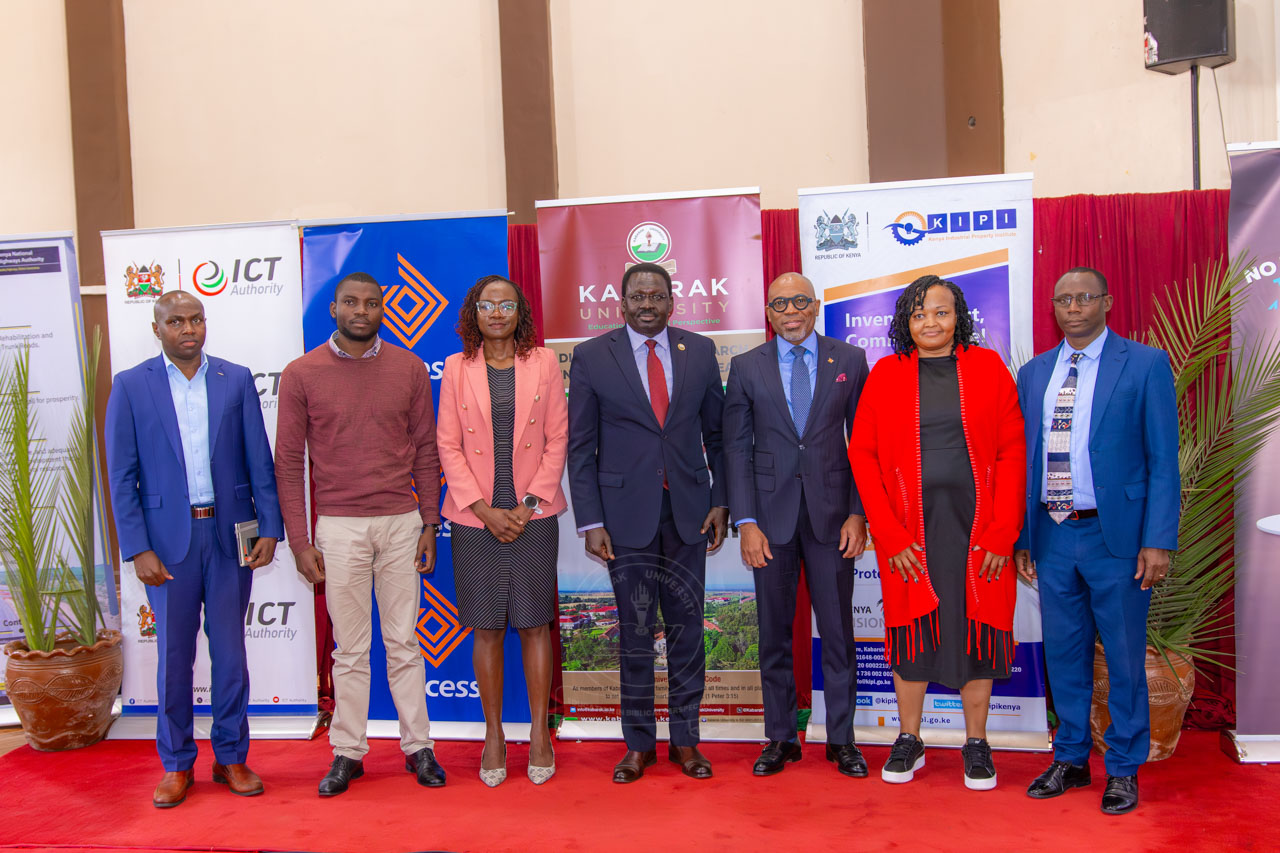

The 5th Central Rift Innovation Week (CRIW) 2026 entered its second day on Wednesday, 16 September, with the official opening bringing together researchers, innovators, entrepreneurs, investors, industry players, policymakers and other stakeholders for conversations on how ideas can move from concept to real-world impact.
Held at Kabarak University under the theme “Transforming Ideas into Impact: Innovating for a Better Tomorrow,” the three-day event is organised by the Directorate of Research, Innovation and Outreach. Day One focused on financing innovation, intellectual property, technology transfer and enterprise readiness, setting the stage for the official opening on Wednesday.
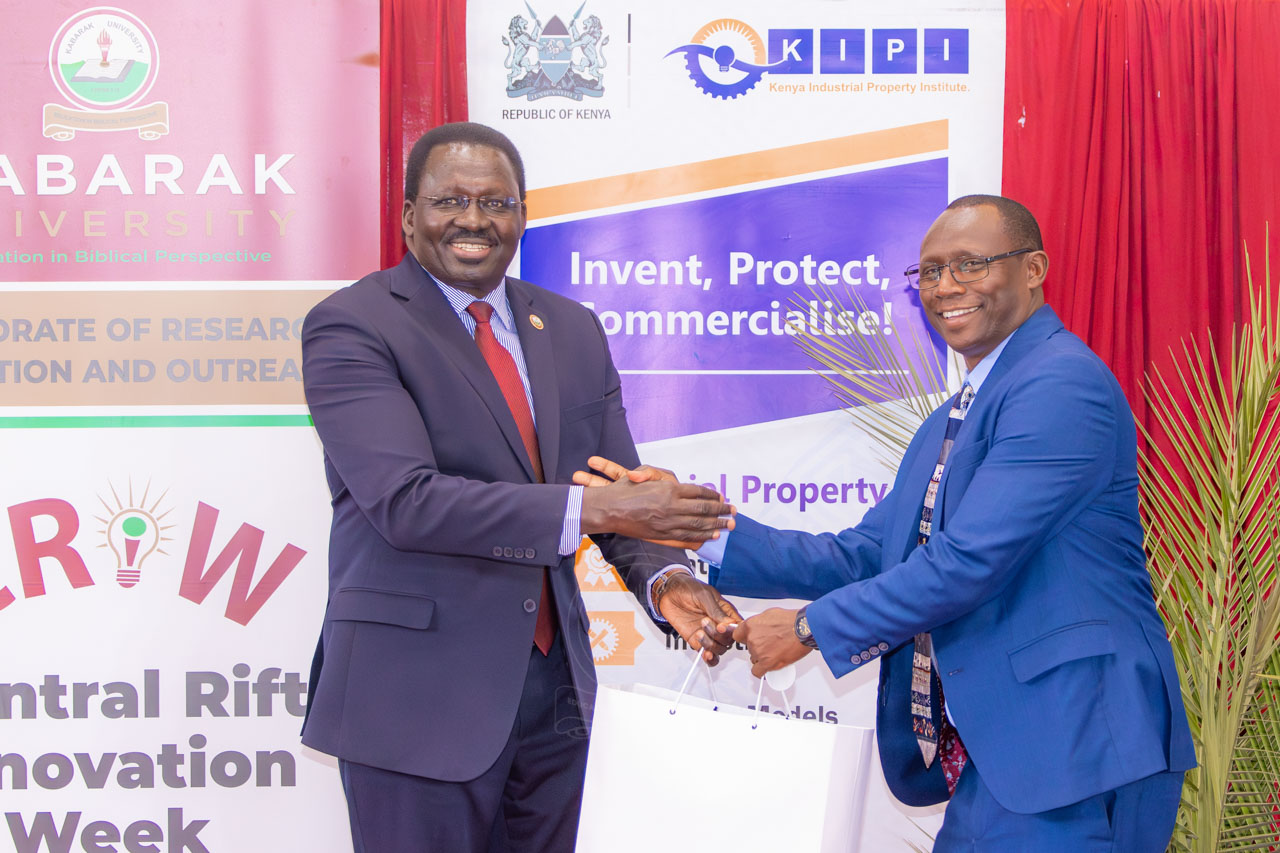
The day began with the arrival of the keynote and guest speakers, who paid a courtesy call to Kabarak University Vice-Chancellor, Prof. Henry K. Kiplangat, at the University Boardroom before proceeding to the Main Auditorium for the official opening ceremony.
The delegation included Mr. Allan Koskey, Chairman of the Board of the Kenya Industrial Property Institute (KIPI), Mr. Ralph Chinedu Opara, Country Managing Director of Access Bank (Kenya) PLC, and other guests and partners. Mr. John Onyango, Managing Director of KIPI, was represented at the event.
The official opening ceremony featured remarks by the Director of Research, Innovation and Outreach, Dr. Phillip Nyawere, followed by remarks from the Deputy Vice-Chancellor, Academic and Research, Prof. John N. Ochola, before Prof. Kiplangat officially opened the 5th Central Rift Innovation Week.
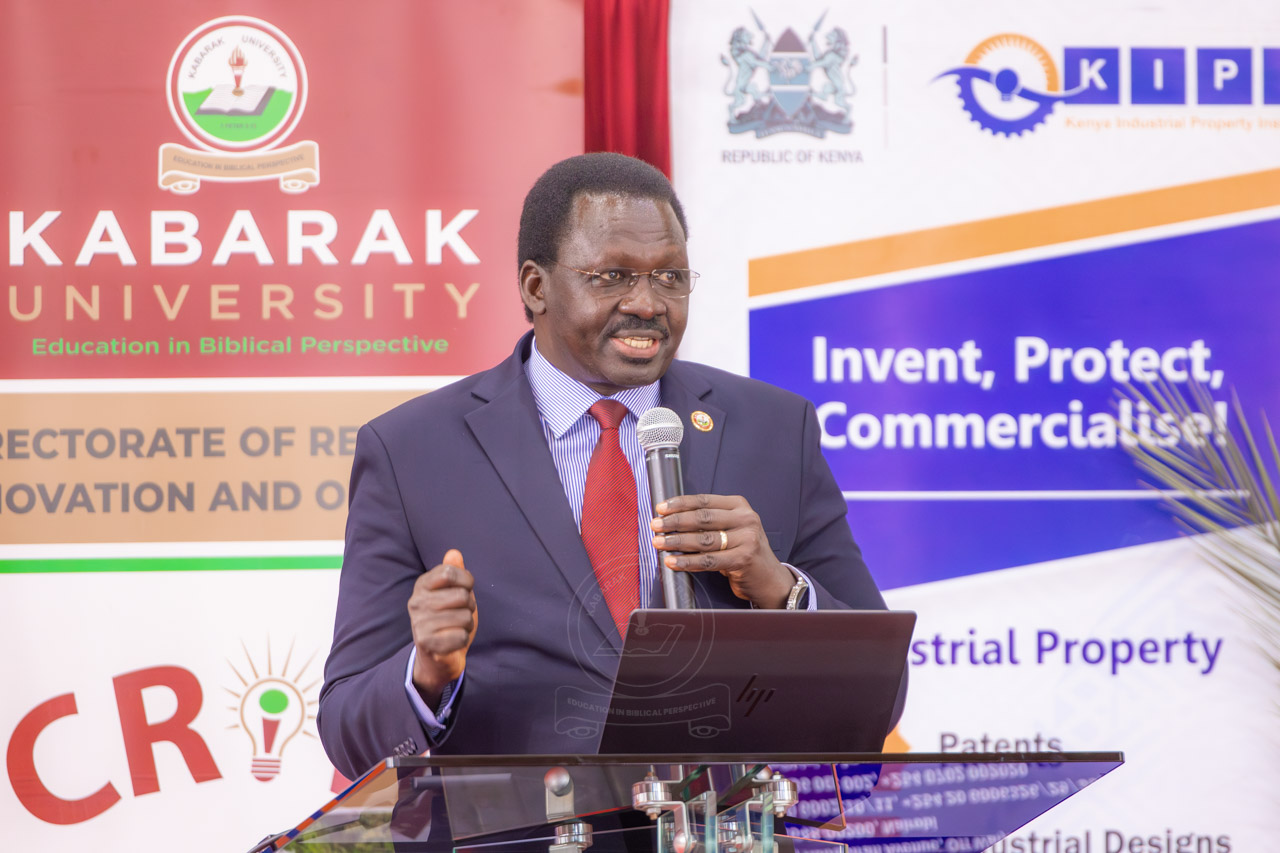
In his remarks, the Vice-Chancellor positioned CRIW as part of the University's wider effort to connect research and innovation with practical solutions. He noted that the role of a university goes beyond teaching and research to creating knowledge that responds to society's needs and helping translate ideas into products, services, technologies, enterprises and policies.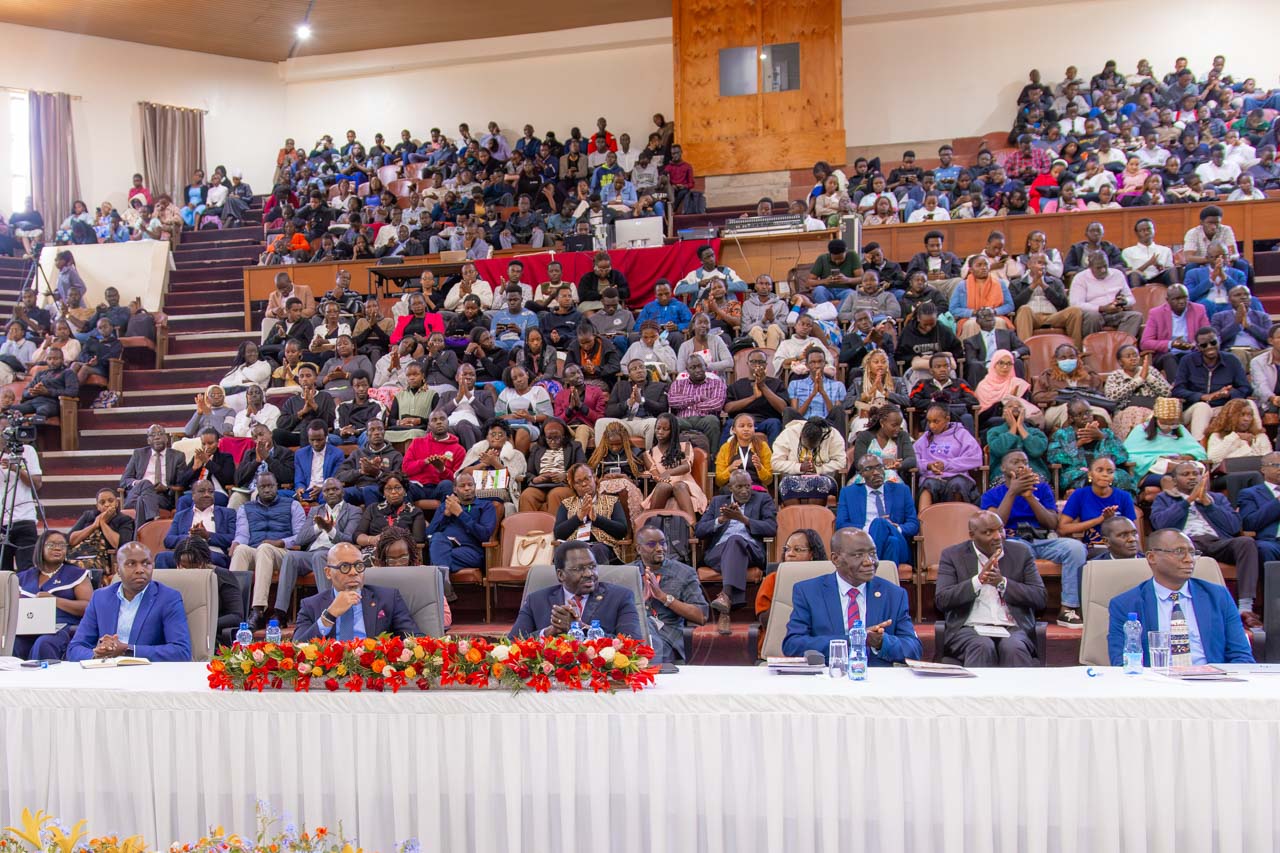
Prof. Kiplangat also emphasised the importance of collaboration between universities, government, industry, entrepreneurs and development partners. He said such collaboration is necessary if innovations are to move beyond laboratories and classrooms and achieve real-world adoption and impact.
The opening session moved into conversations around intellectual property and financing, two areas that remain critical in taking innovations from ideas to viable enterprises.
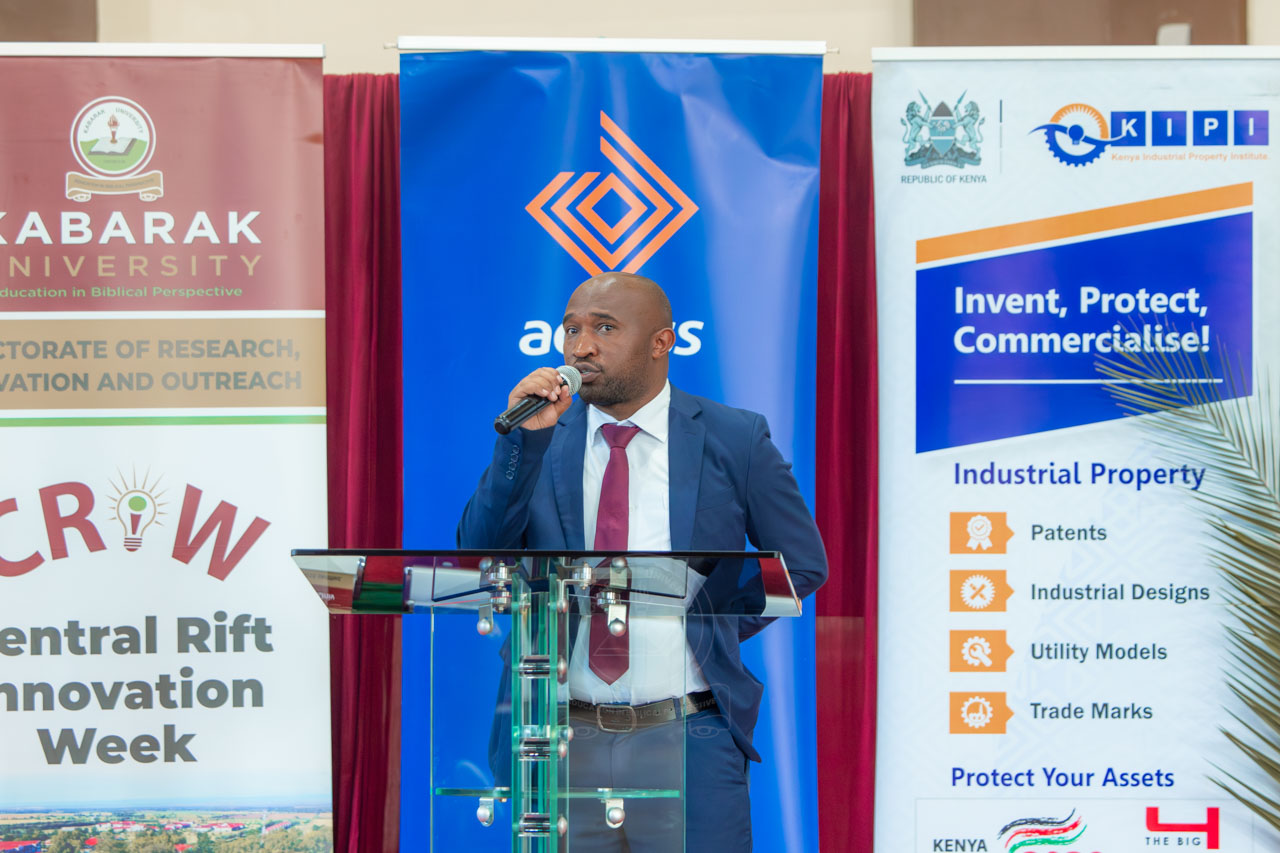
The keynote address was delivered by Mr. Ralph Chinedu Opara, Country Managing Director of Access Bank (Kenya) PLC, who spoke on “Financing Africa's Innovators: Access to Capital, Trade Finance and Pan-African Scale.” His session explored the practical pathways through which financial institutions and innovation ecosystems can help move ideas from concept to market.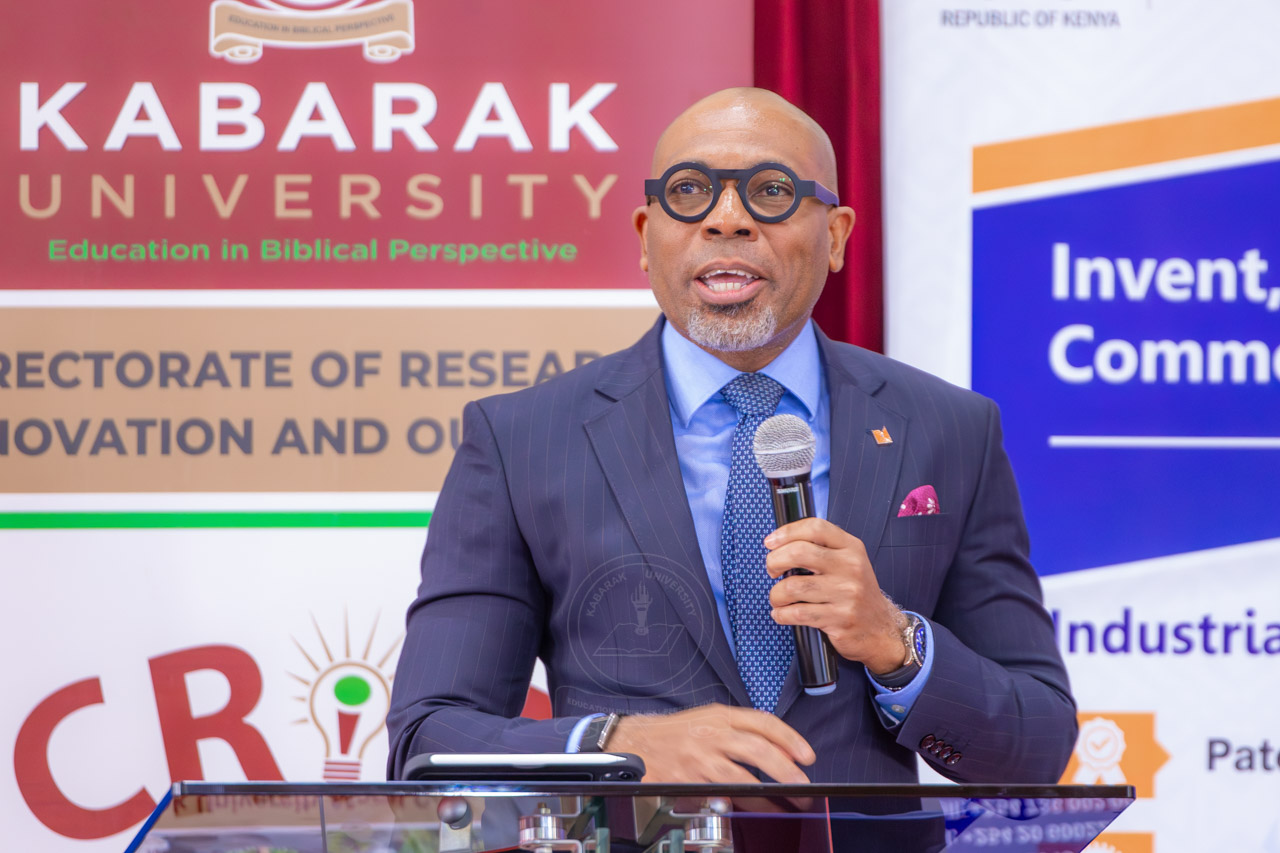
The programme also featured a session on intellectual property and enterprise development led by Mr. Allan Koskey, Chairman of the KIPI Board, focusing on the role of intellectual property in enterprise and job creation. The programme had also scheduled a contribution from KIPI Managing Director Mr. John Onyango, who was represented during the event.
The morning programme concluded with a panel discussion on “Building a Stronger Regional Innovation Ecosystem.”
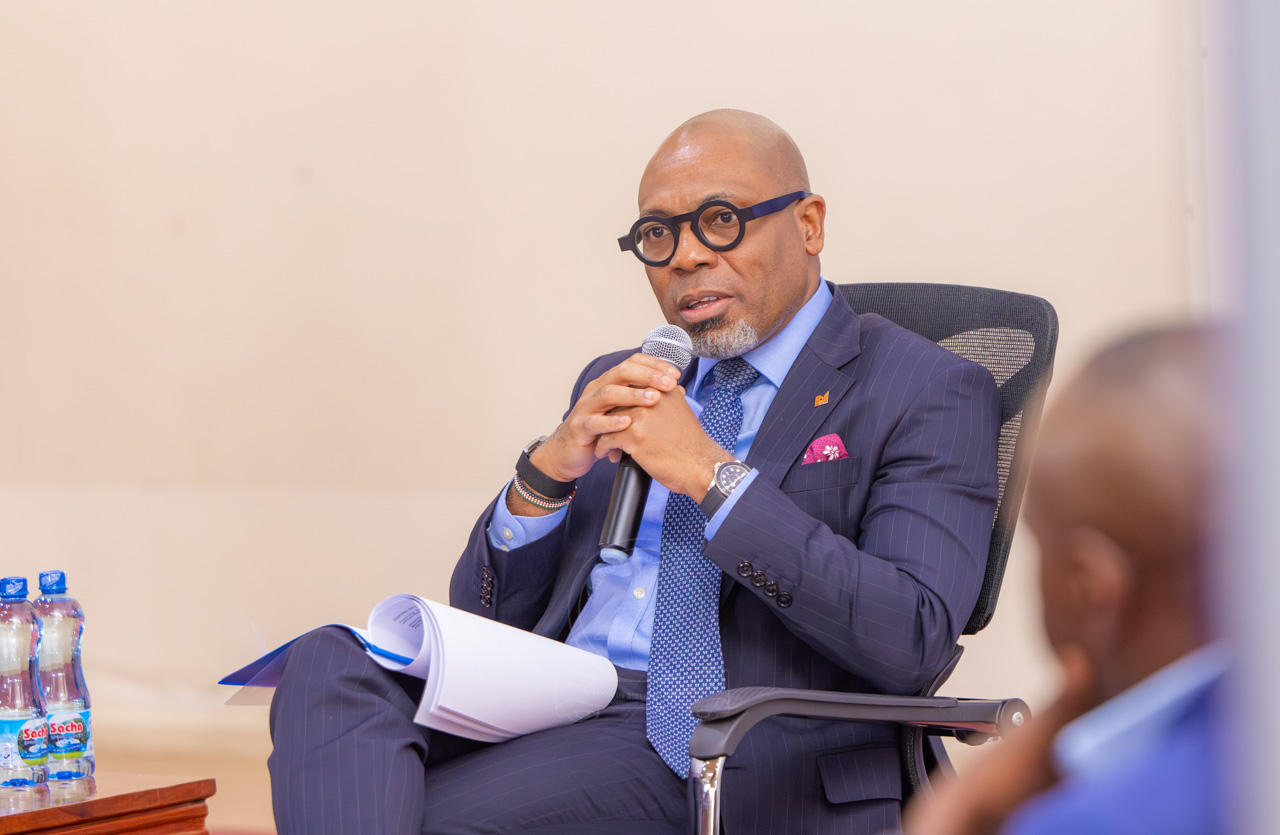
The discussion brought together Prof. Kiplangat, Mr. Ralph Chinedu Opara, Dr. Dickson Andala, Chief Executive Officer of the National Research Fund, Ms. Maureen Awuor of AMREF Health Africa, and other representatives from the innovation ecosystem. Ms. Mercy Gachoka moderated the session.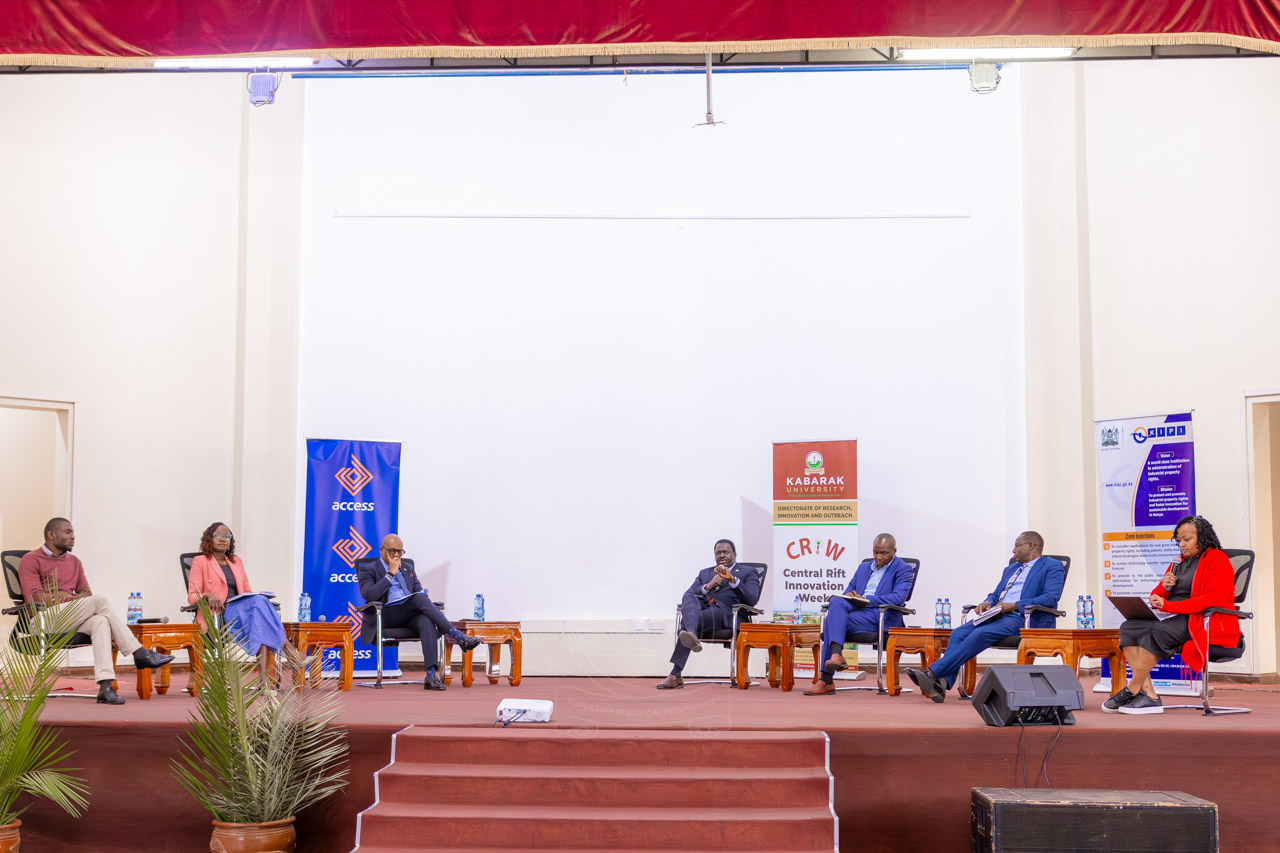
The discussion provided an opportunity for participants to examine the role of academia, government, industry, financial institutions and development partners in creating an environment where innovators can access knowledge, funding, mentorship, markets and other resources needed to grow.
The official opening programme also included the launch of the Kabarak University Innovation Club (KABUIC) and the Innovation Pulse Magazine, further expanding the University's platforms for student engagement and innovation communication.
The afternoon sessions continued the conversation through thematic panels on Agritech, HealthTech, FinTech, infrastructure and mobility, covering areas such as food security, AI in primary healthcare, inclusive digital economies, intelligent transport systems and road safety. The day was also set to provide opportunities for networking among academia, industry, government and investors.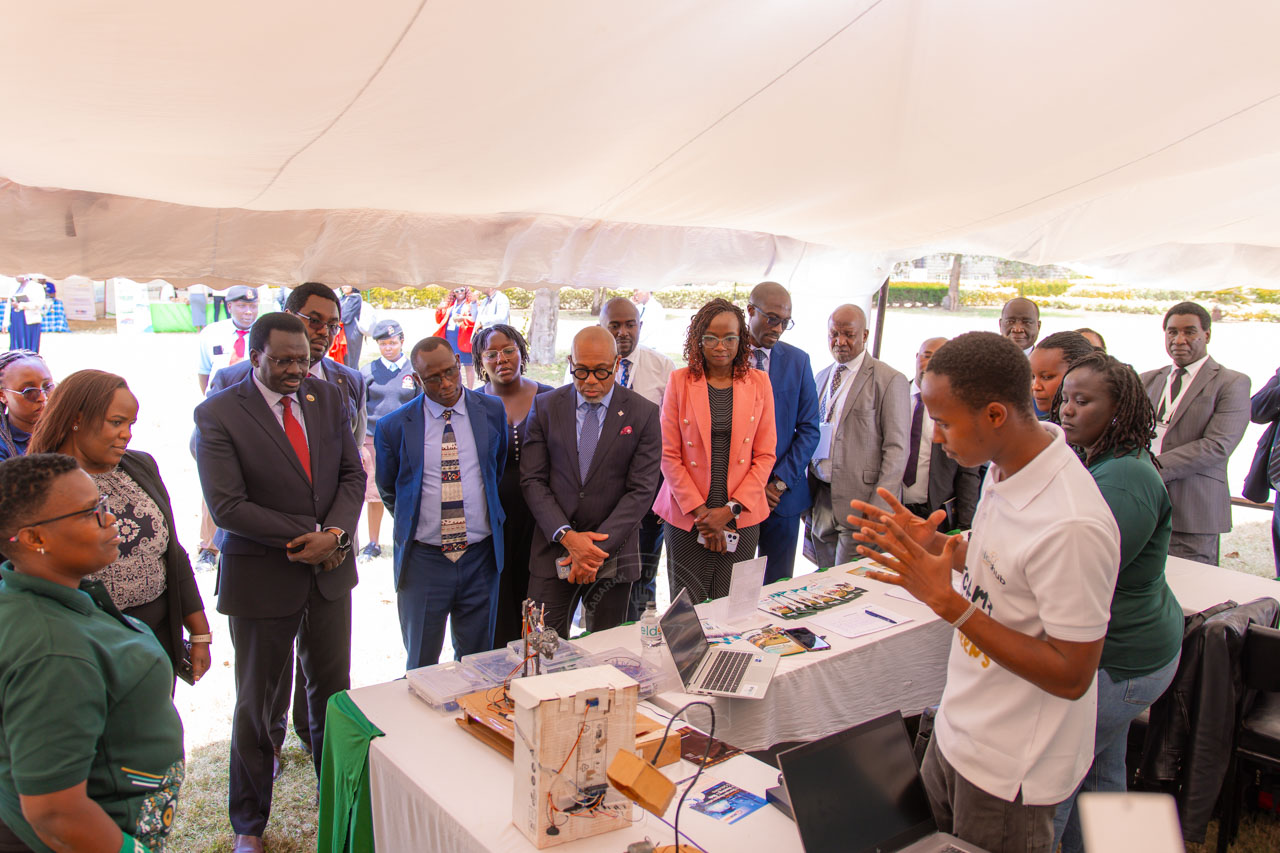
With the official opening now complete, CRIW 2026 moves into its final day on Thursday, 17 September, where attention will turn to innovator pitching, investment readiness and awards. The programme will feature Agritech, HealthTech and FinTech pitching competitions, an investor masterclass, a panel on moving innovations from prototype to product, and recognition of outstanding innovators.
For Kabarak University, the central question running through CRIW 2026 remains practical: how do we move good ideas beyond discussion and turn them into solutions that create value and improve lives? As Prof. Kiplangat observed during the opening, innovation is not simply about having new ideas, but about transforming knowledge and ideas into solutions that make a measurable difference.