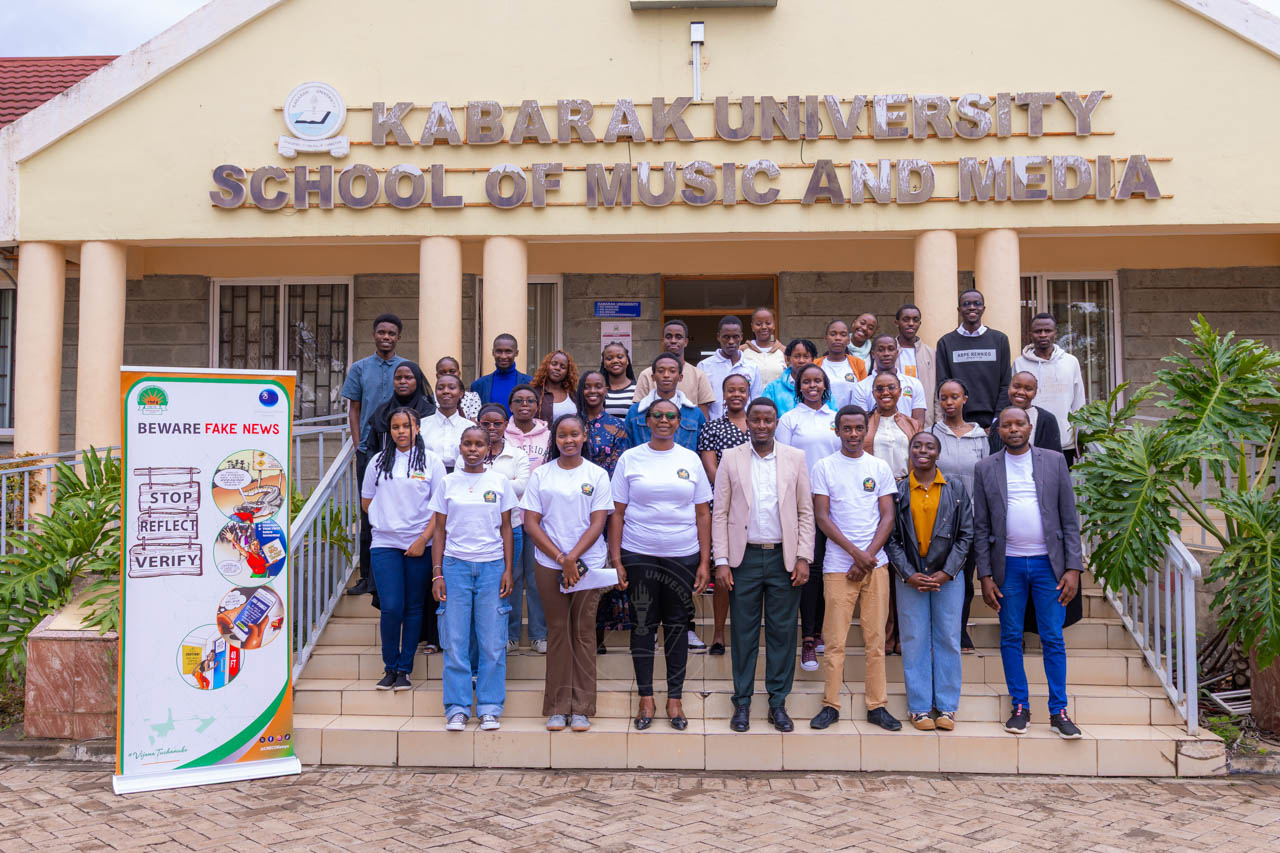
As misinformation and disinformation continue to shape conversations across digital platforms, the need for accurate information, responsible communication and critical media literacy has become increasingly important. At Kabarak University, this responsibility is being advanced through the University's Fact-Checking Club, whose members are actively contributing to efforts to promote informed and responsible information sharing.
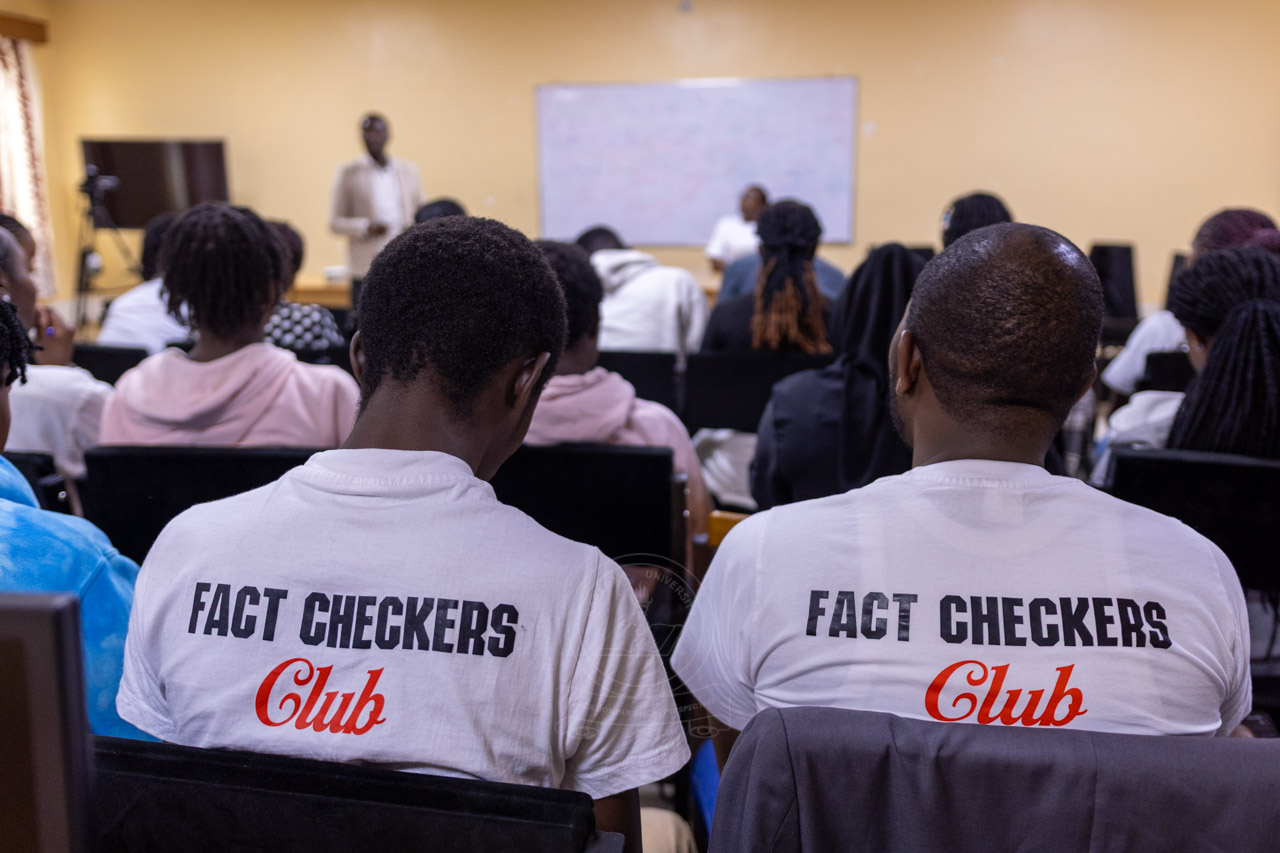
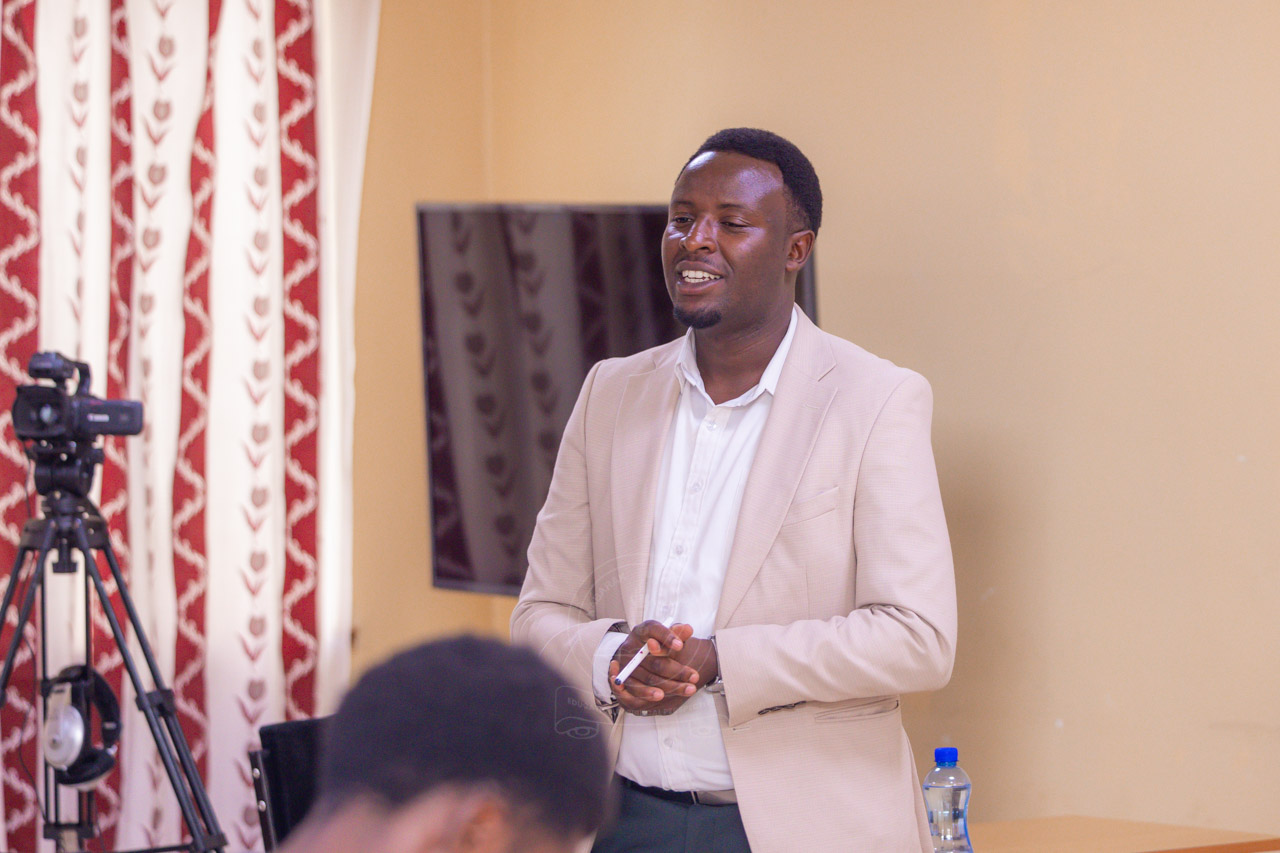
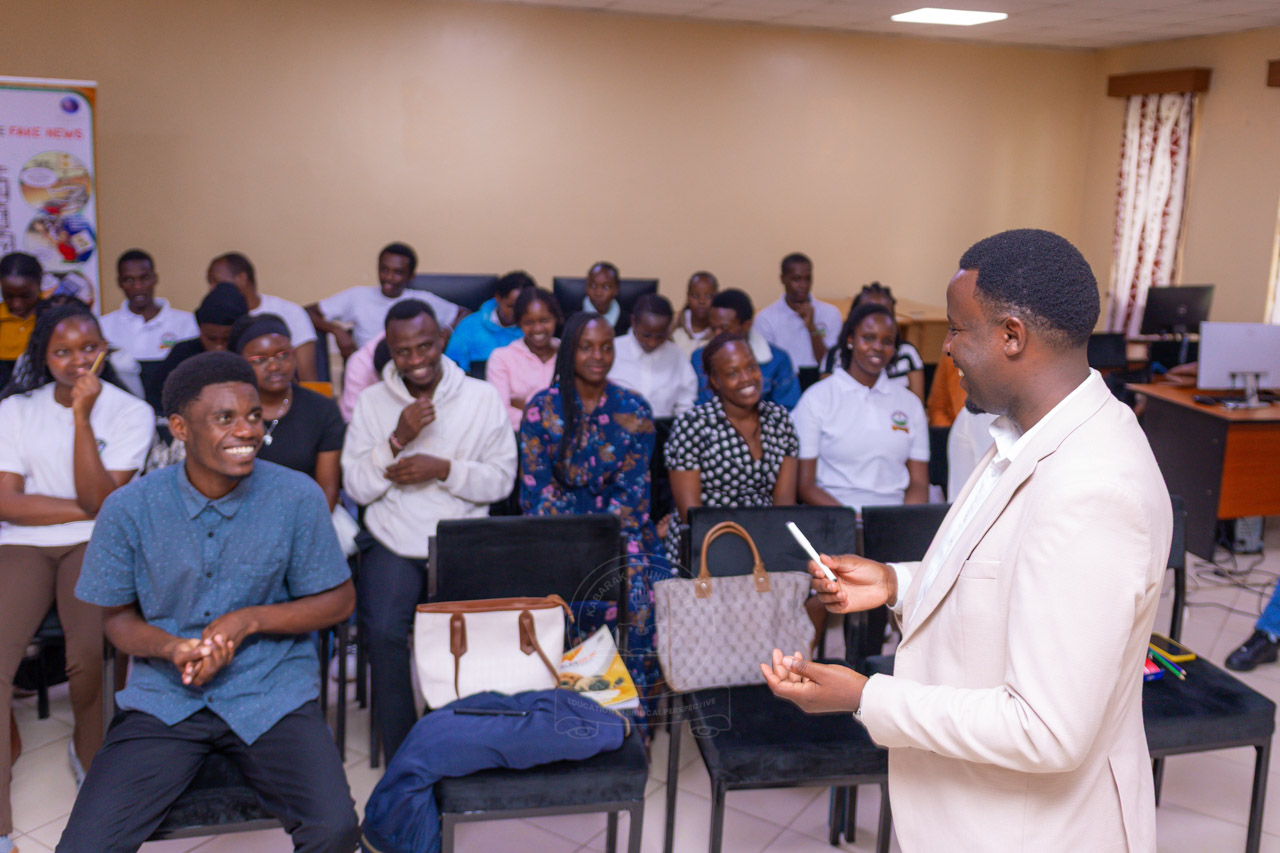
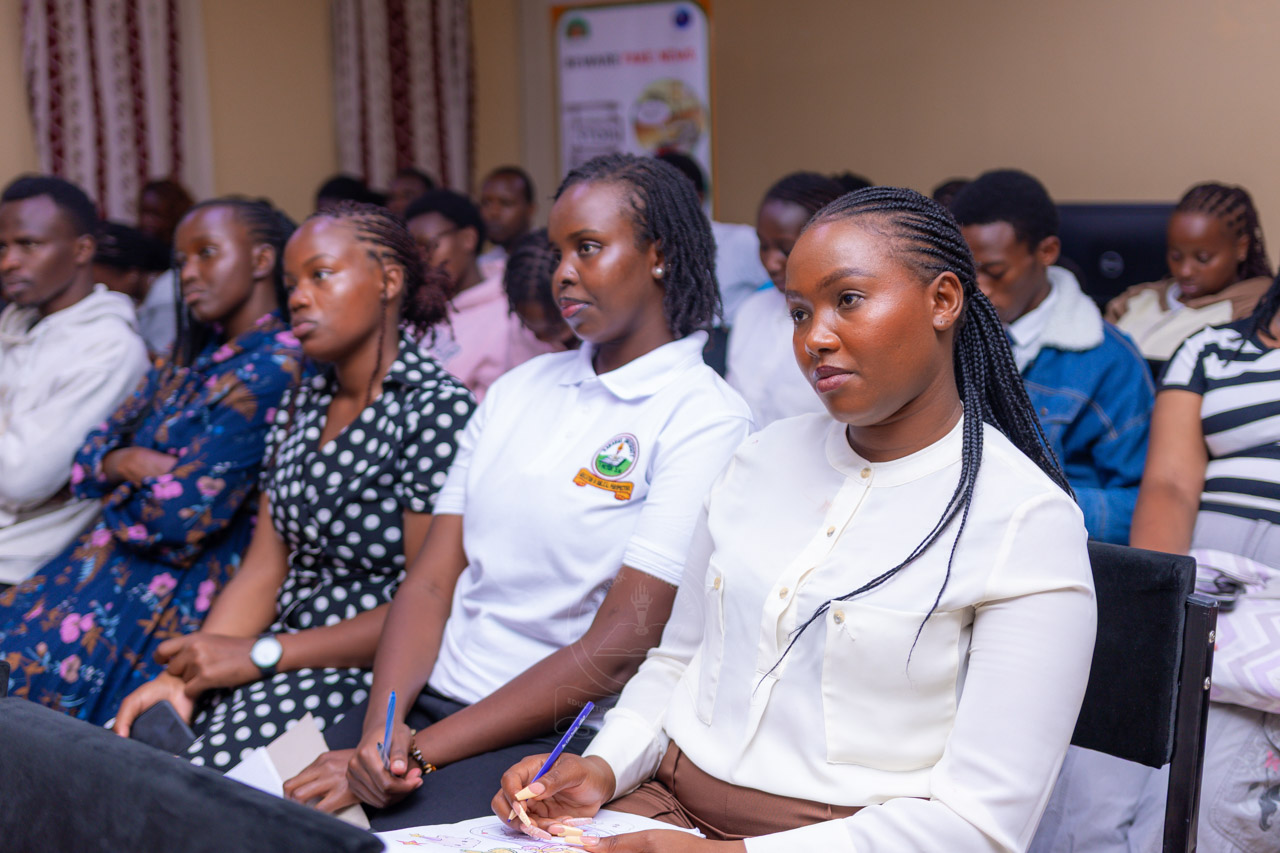
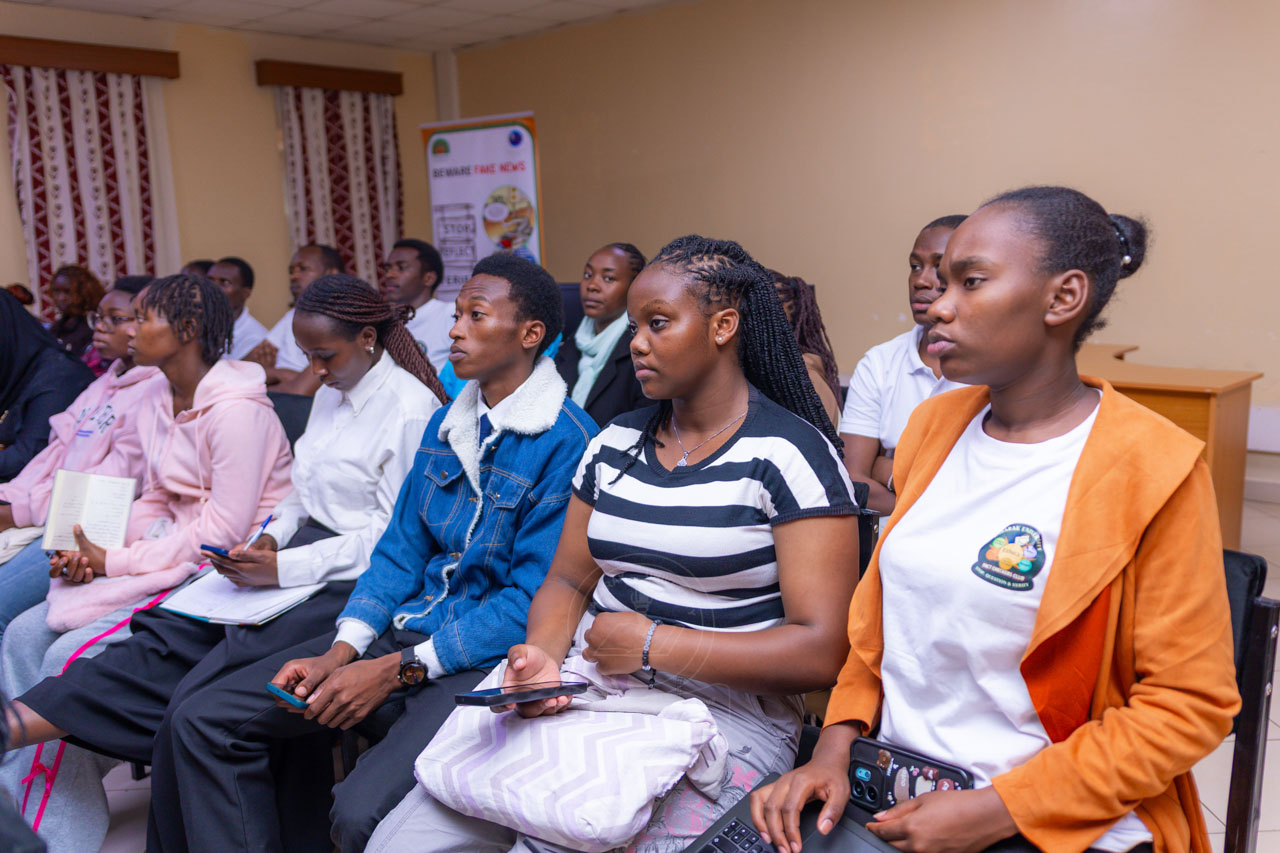
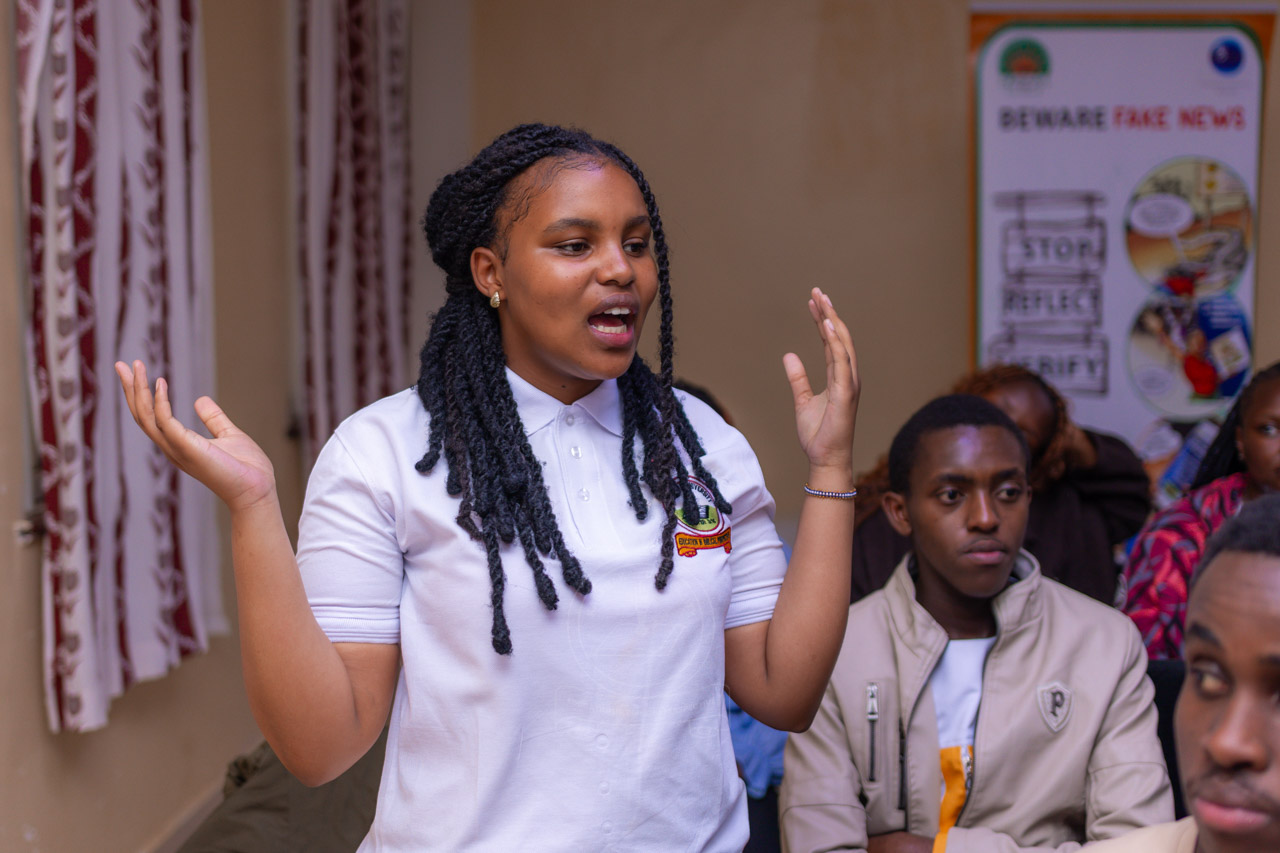
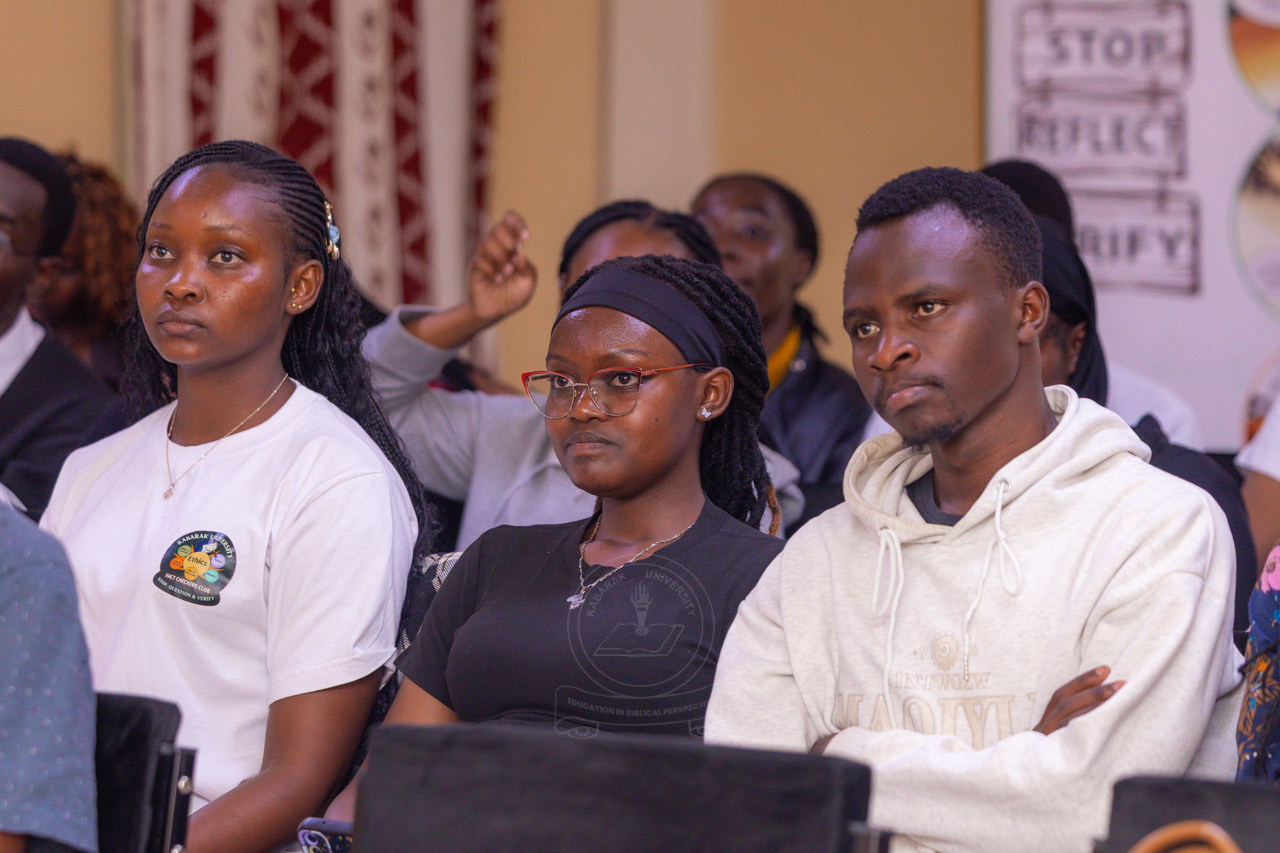
The University hosted Duncan Maigua, Media and Communications Officer at the Constitution and Reform Education Consortium (CRECO), who met with members of the Kabarak University Fact-Checking Club at the School of Music and Media (SMM). The engagement provided an opportunity to review the club's activities, assess its progress, and explore areas where additional support and capacity building could strengthen its work.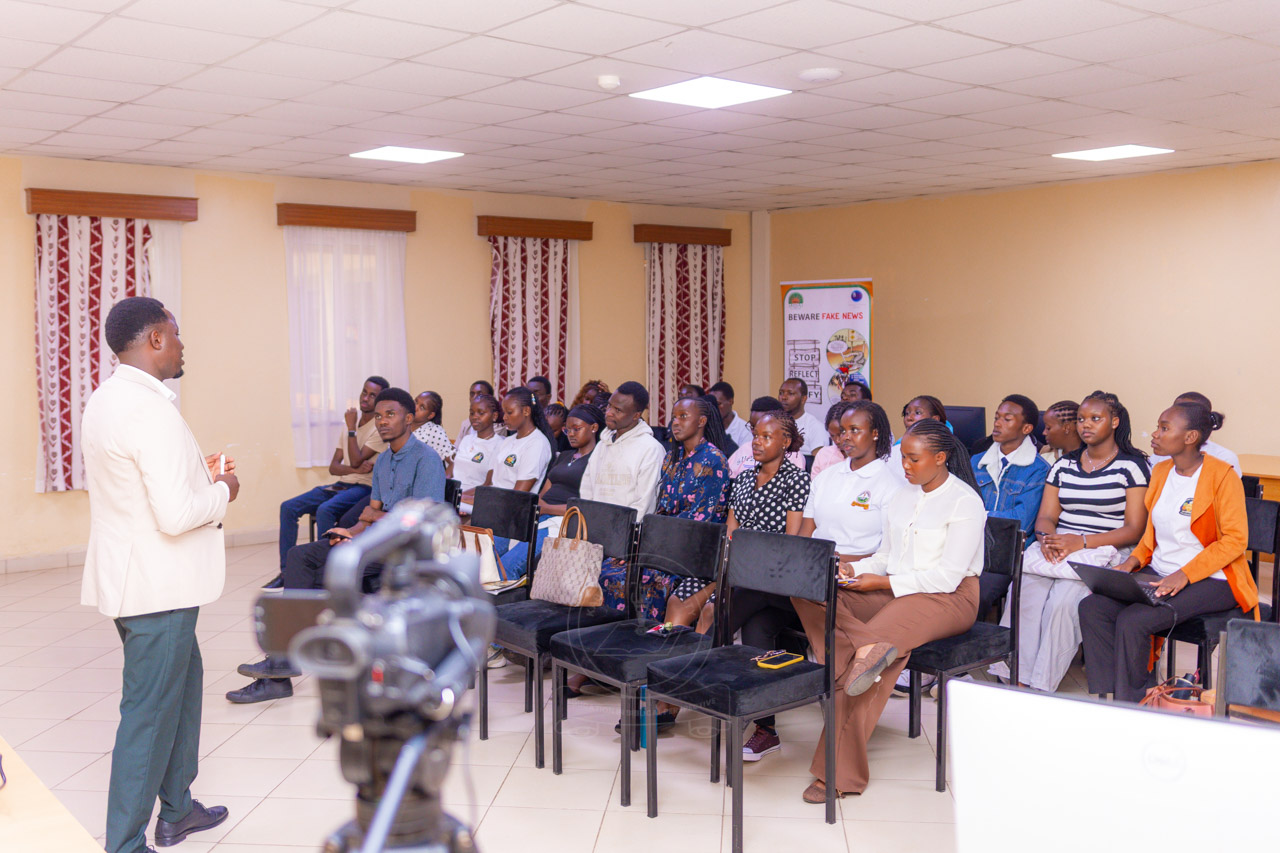
The meeting also involved monitoring and evaluation activities aimed at assessing the club's current capacity, identifying existing gaps and exploring opportunities for further training and institutional support. The exercise is intended to provide a clearer understanding of the members' needs and inform future interventions that can enhance the effectiveness and sustainability of the club.
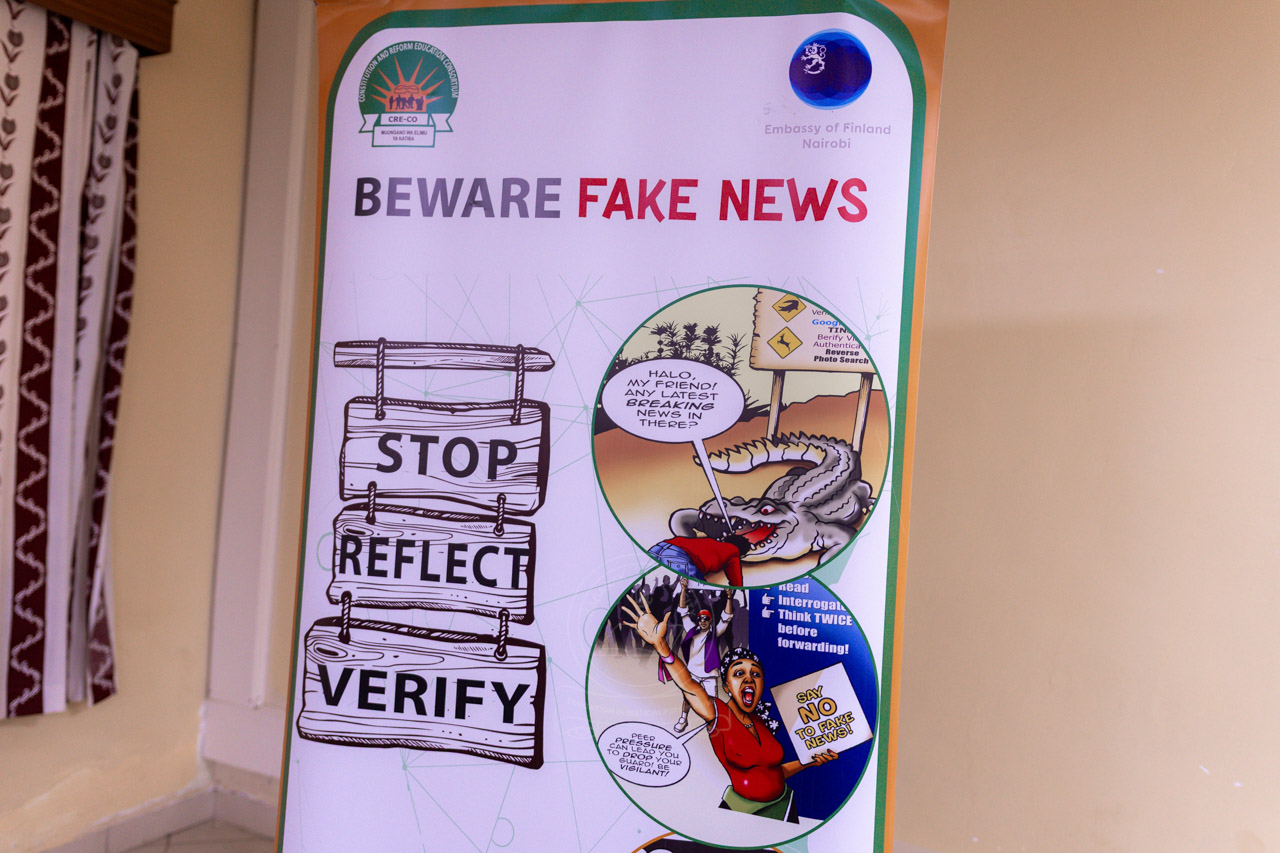
Fact-checking has become an essential part of responsible digital citizenship. With information shared instantly across social media, messaging applications and online publications, misleading claims, manipulated images, fabricated stories and out-of-context information can reach large audiences before their accuracy is established. This creates a growing need for individuals who can question information, examine evidence, verify sources and distinguish facts from false or misleading claims.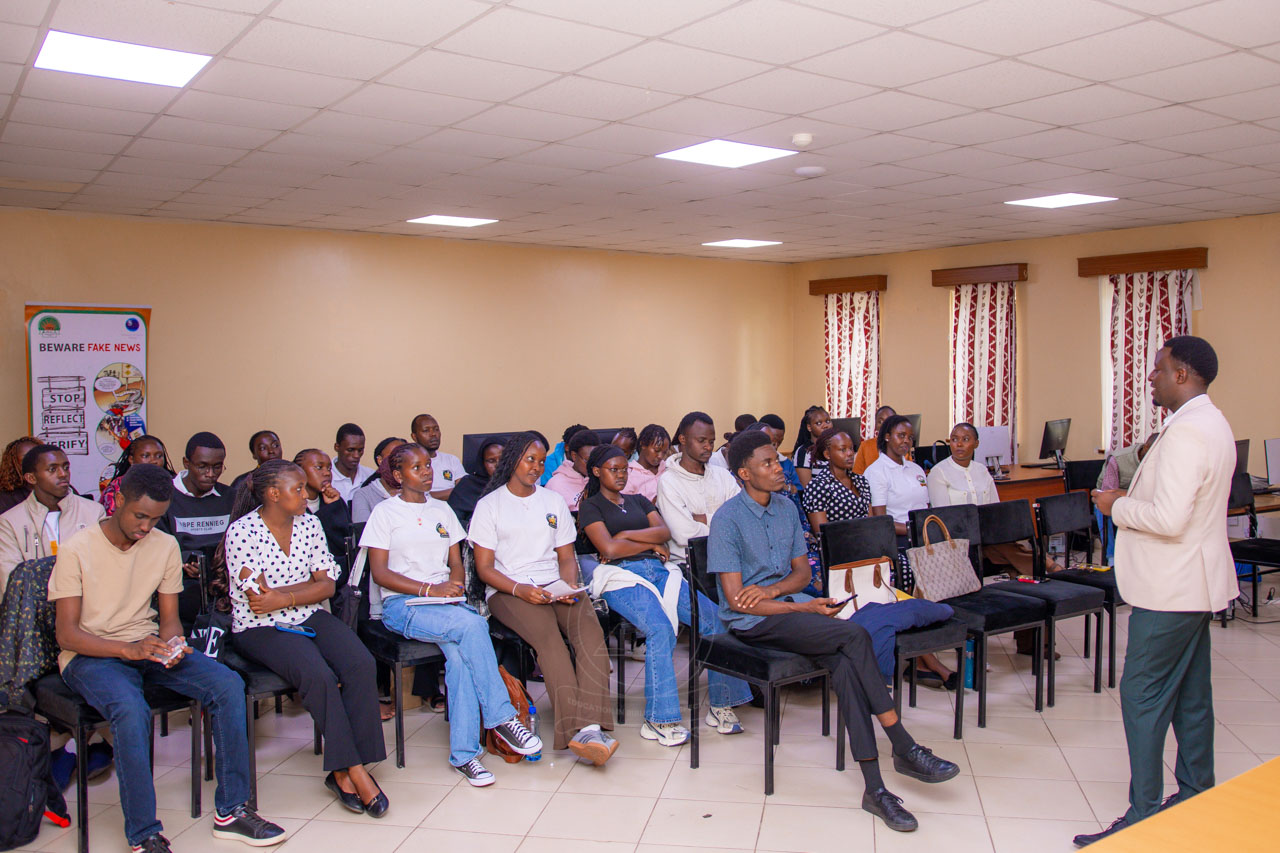
Through its activities, the Kabarak University Fact-Checking Club seeks to promote a culture of verification and responsible information consumption among students. Its work centres on equipping members with the knowledge and skills to interrogate claims, assess the credibility of information, verify content using reliable sources, and encourage their peers to think critically before accepting or sharing information.
Beyond identifying false or misleading information, the club plays an important educational role. It provides a platform for students to develop practical media and information literacy skills, understand the consequences of misinformation, and appreciate the responsibility that comes with creating, consuming, and sharing digital content. These skills are particularly relevant in an environment where students interact with information from diverse sources and increasingly participate in public conversations through digital platforms.