


Most financial tools tell people where their money went. Financial Hub asks a different question: what if we changed what people see before they spend it?
The idea came from founder and CEO Victor Mutua's observation that many people know they should save and budget, yet still struggle to do it consistently. The gap isn't knowledge - it's how money is presented. When KSh 20,000 lands as one large balance, it feels entirely available to spend.
Financial Hub changes that experience. Instead of one undifferentiated balance, incoming income is structured into purpose-based pockets: food, transport, rent, savings, investments, discretionary spending. The mental model shifts from "I have KSh 20,000" to "I have KSh 3,000 for food, KSh 5,000 for rent, KSh 8,000 for Fees and KSh 4,000 for savings."
The goal isn't to demand more discipline. It's to make disciplined behavior the default.
The Team
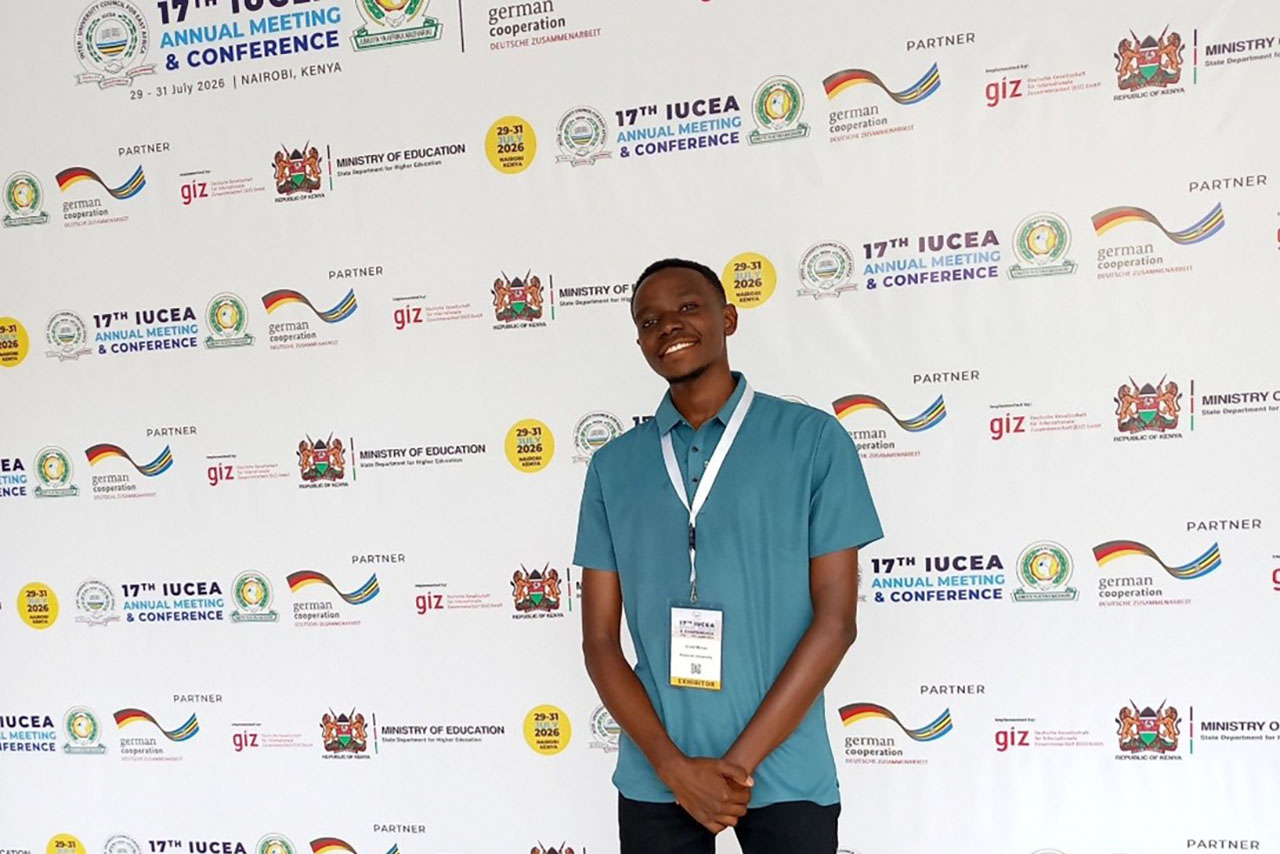
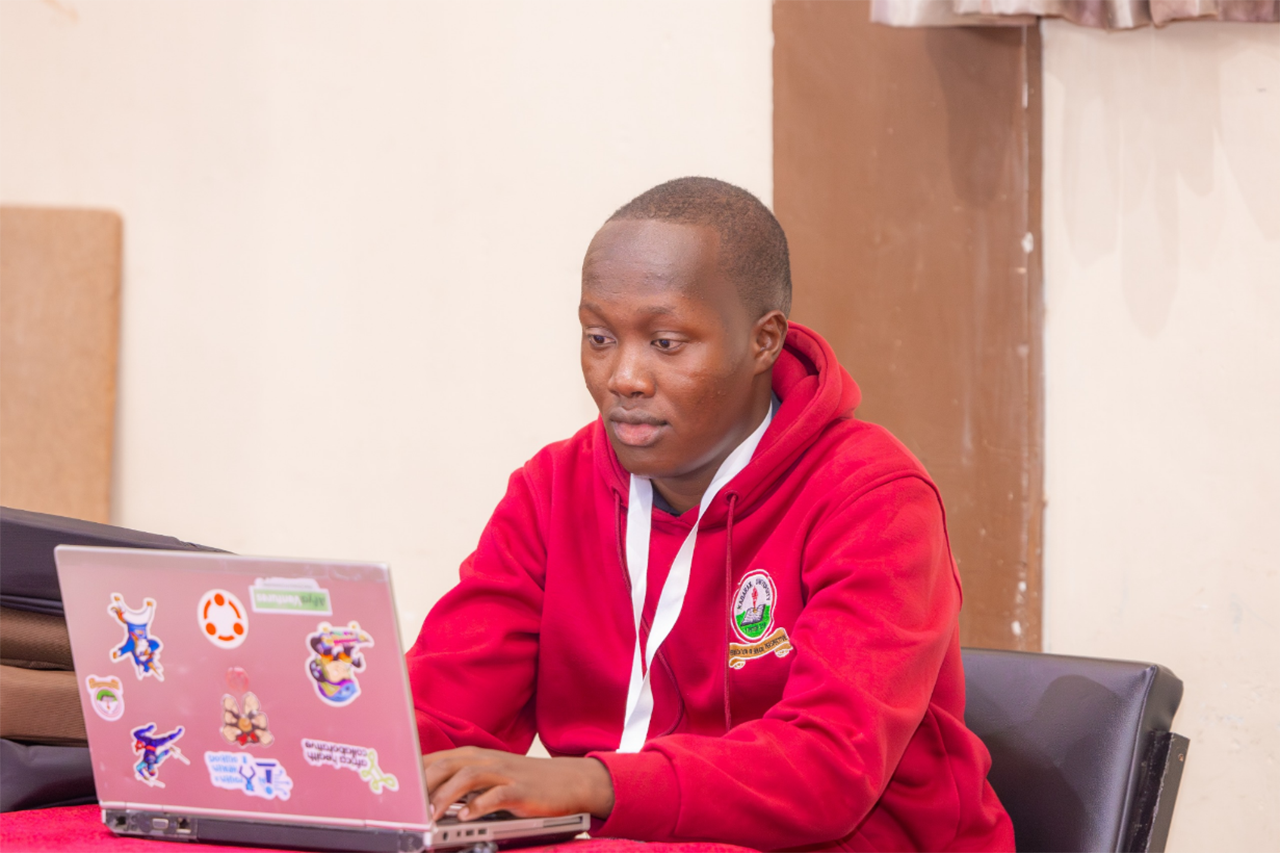
Three full-time co-founders from Kabarak University. Victor drives product vision and identified the behavioral gap at the point income arrives. CTO Simon Njoroge Wangui turned the concept into a working product. Product Manager Darius Mwakireti Maghanga shapes requirements, UX, testing, and iteration. Together: idea generation, technical execution, and product development.
|
Victor Mutua - CEO & Founder |
Simon Njoroge - CTO & Co - Founder |
Darius Mwakireti Maghanga - Product Manager & Co-founder |

The Problem
Digital finance made money move faster, not easier to manage. Traditional budgeting shows a total balance and analyzes spending after transactions happen. Knowing is not the same as consistently doing. Financial Hub treats this as a design problem: change the environment in which decisions are made rather than relying on willpower.
The Solution
A behavioral platform that structures income before it becomes discretionary spending, built on pre-allocation, category-first visibility, savings protection, deliberate friction between pockets, and goal-based planning. The philosophy: don't just track what people did with their money - help structure what happens next.
What Exists Today
Beta stage. Onboarding, pocket creation, and income allocation are built and tested with roughly 30 users. The build deliberately validates the behavioral experience first; deeper financial integrations follow as product, partnerships, and regulation develop.
Early Validation
FinTech Bronze Medal at CRIW 2026, winner of the NIEL campus intra-university competition, plus ~30 prototype participants.
Why It's Different
Others answer "Where did my money go?" Financial Hub answers "Where should my money go before I spend it?"
The Bigger Vision
Start with individuals; extend the same model to SMEs - allocating revenue to operations, payroll, taxes, reinvestment, reserves, and profit before cash is treated as free. Then integrate into the financial systems people already use: banks, MPESA, TING, etc., so allocation and spending happen inside the ecosystems people already rely on. Allocate first, spend second.
