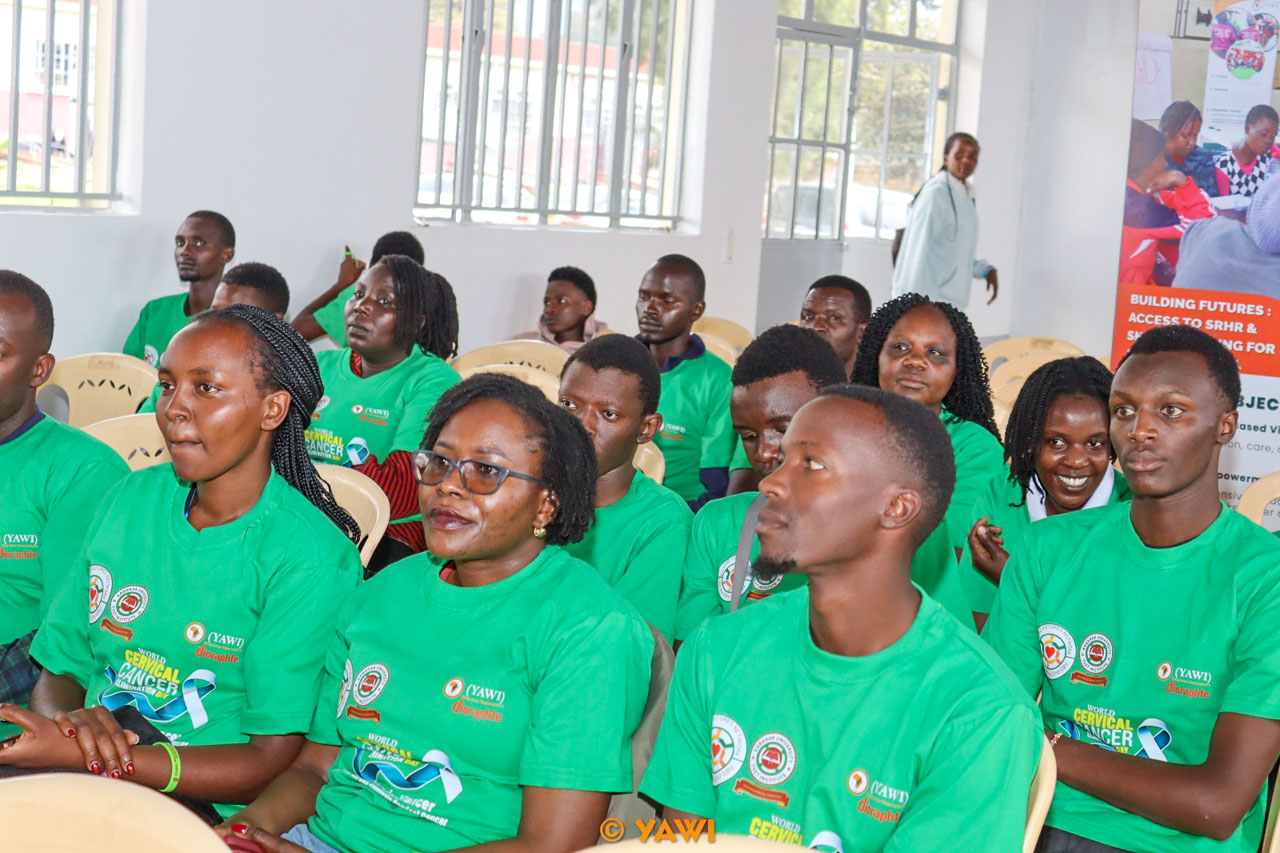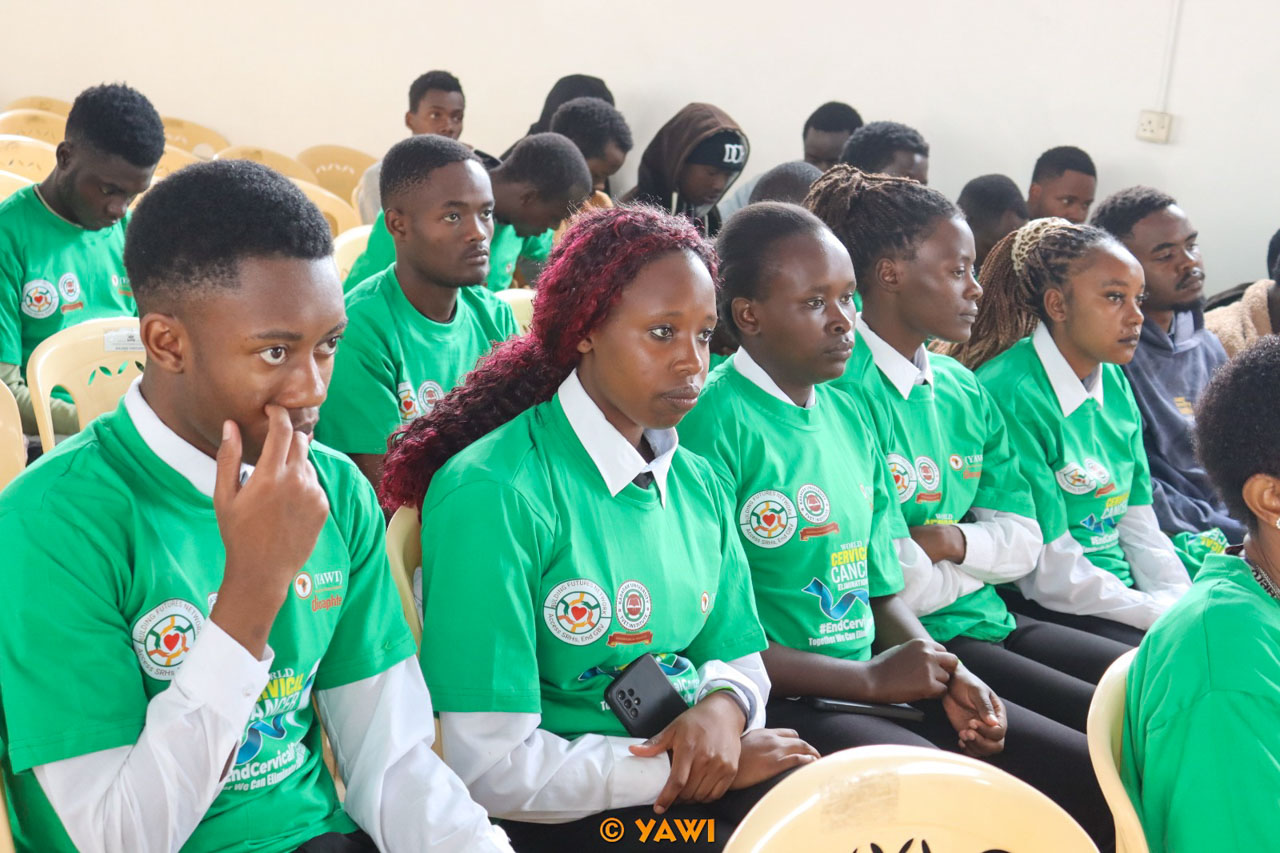

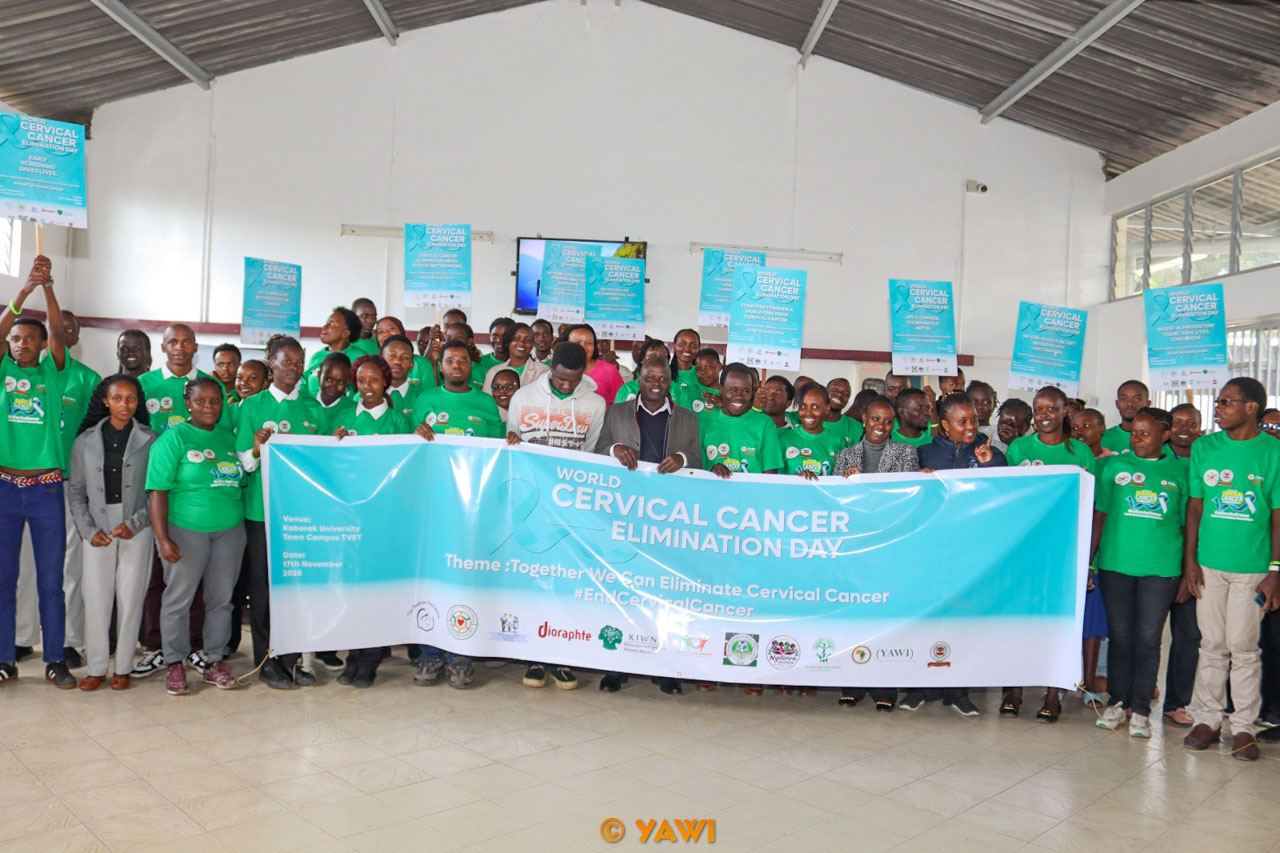
Cervical cancer remains a major public health concern, but with increased awareness, HPV vaccination and regular screening, many cases can be prevented or detected early. It was against this backdrop that Kabarak University's Nakuru City Campus and KABU TVET Institute, through the Counseling Office, hosted a cervical cancer awareness and prevention sensitization event on Friday, 13th November 2026.
Held in commemoration of World Cervical Cancer Elimination Day, observed annually on 17th November, the event brought together students and staff for an informative engagement on cervical cancer, its risk factors, prevention and available treatment options.
The initiative was organised in partnership with Women in Society Empowerment Organization (WISE), Youth Africa Women Initiatives (YAWI), Dioraphte and other partners. It sought to equip participants with accurate health information and encourage collective responsibility towards cervical cancer prevention and elimination.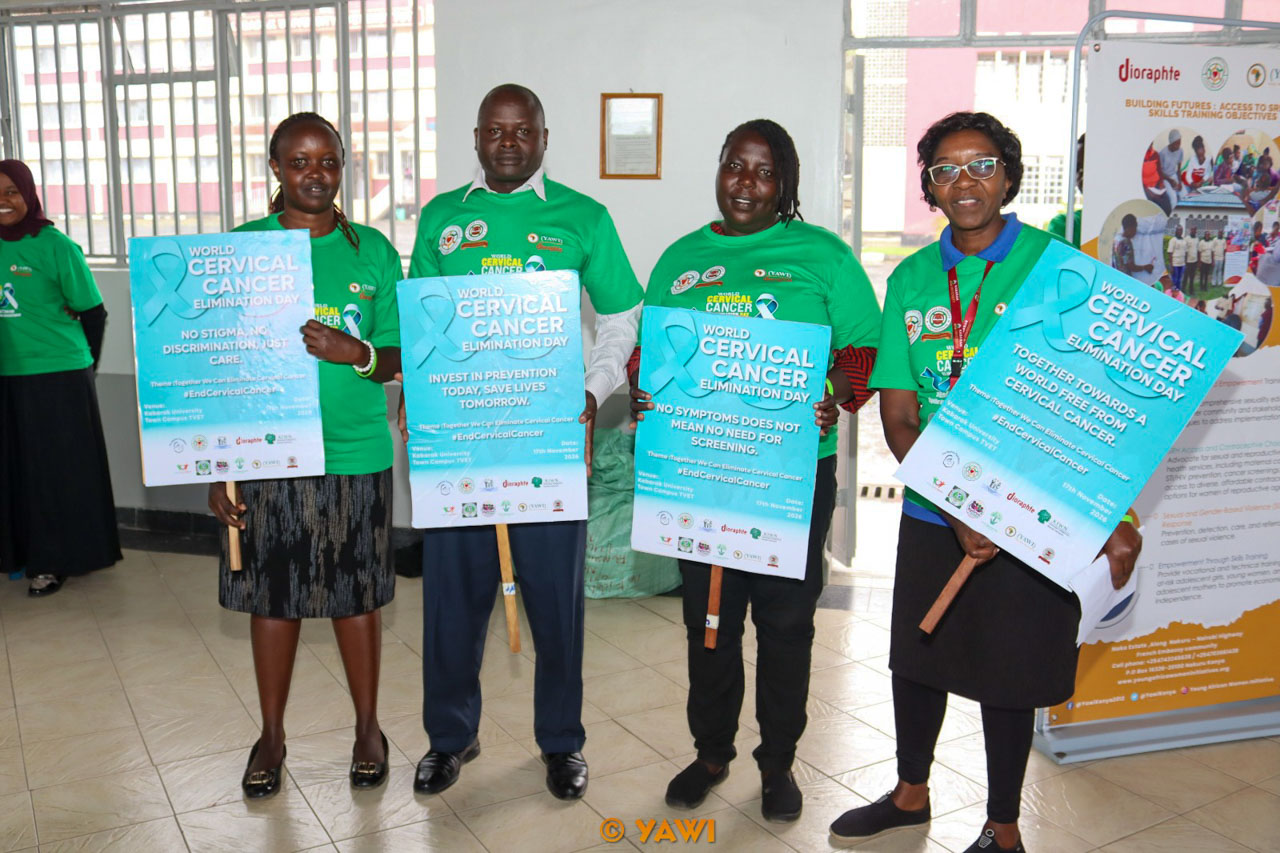
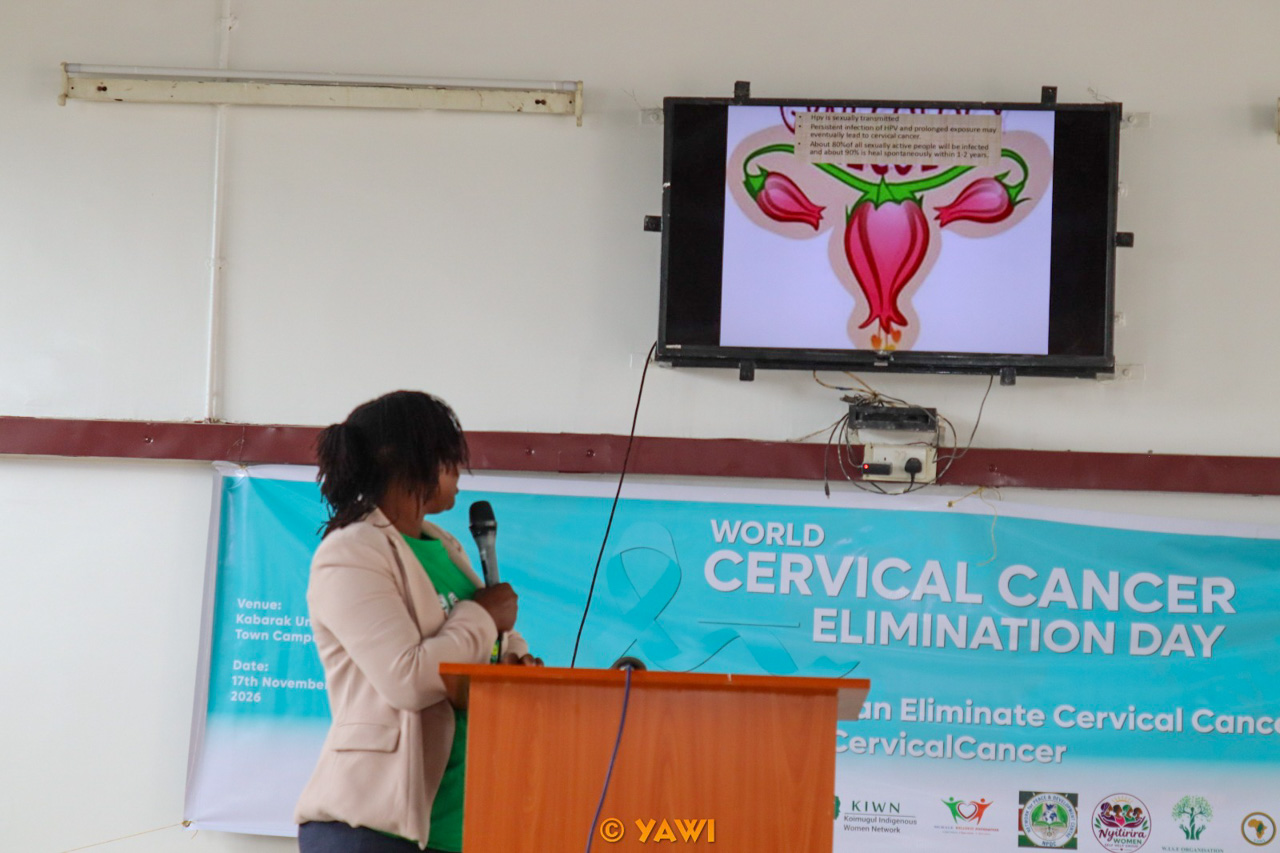
One of the key highlights was the involvement of both male and female participants. Experienced oncology and healthcare professionals explained that cervical cancer prevention is not solely a women's issue. Men also have an important role to play through understanding HPV transmission, supporting vaccination and screening initiatives, encouraging their partners to seek timely medical attention and helping to address stigma and misinformation surrounding the disease.
The experts explained that persistent infection with high-risk types of the Human Papillomavirus (HPV) is the primary cause of cervical cancer. They discussed the associated risk factors, warning signs and symptoms, screening procedures, available treatment options and the importance of HPV vaccination, particularly in preventing infections that can lead to cervical cancer.
Participants were also sensitised on the importance of regular screening, even in the absence of symptoms, since precancerous changes may develop without obvious warning signs. The healthcare professionals emphasised that early detection allows timely intervention and significantly improves treatment outcomes. They further encouraged individuals to take personal responsibility for their health by seeking appropriate screening and vaccination services.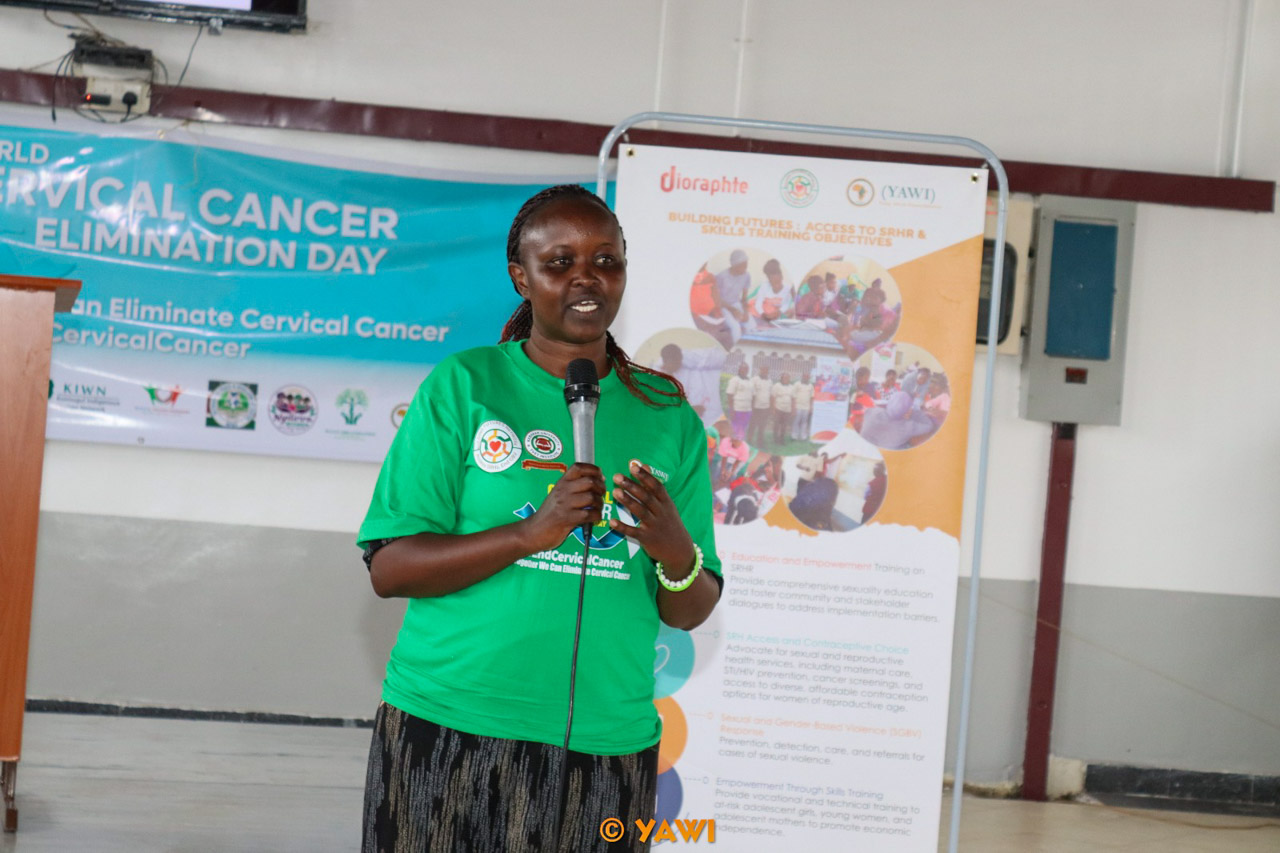
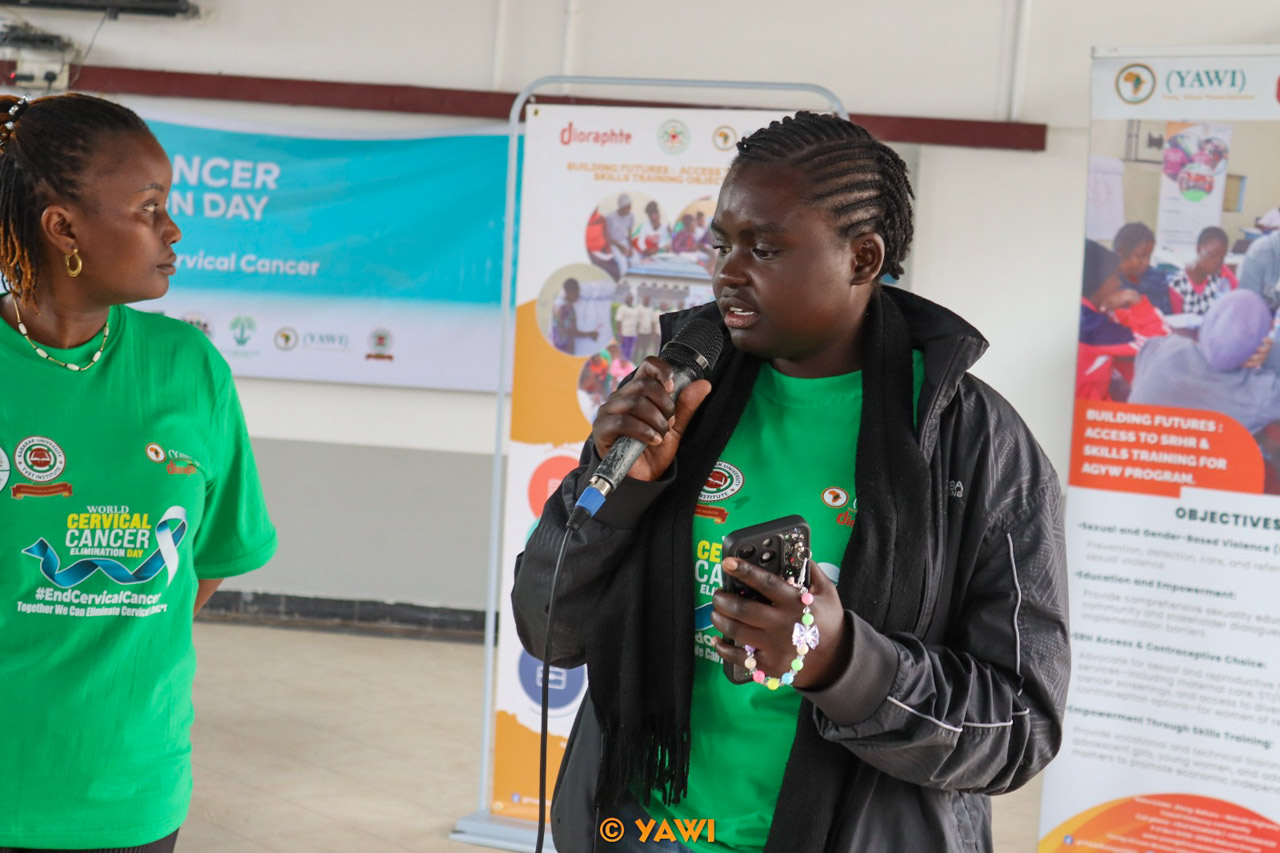
The interactive sessions provided a safe and open environment for participants to ask questions, seek clarification and share their perspectives. The question-and-answer session offered an opportunity to address concerns and misconceptions, making the discussions particularly relevant to the students and staff in attendance.
The engagement reinforced an important message: cervical cancer prevention requires informed individuals, accessible healthcare services and collective action. While women are directly affected by the disease, men, families, institutions and communities all have a role in supporting prevention, early detection and access to care.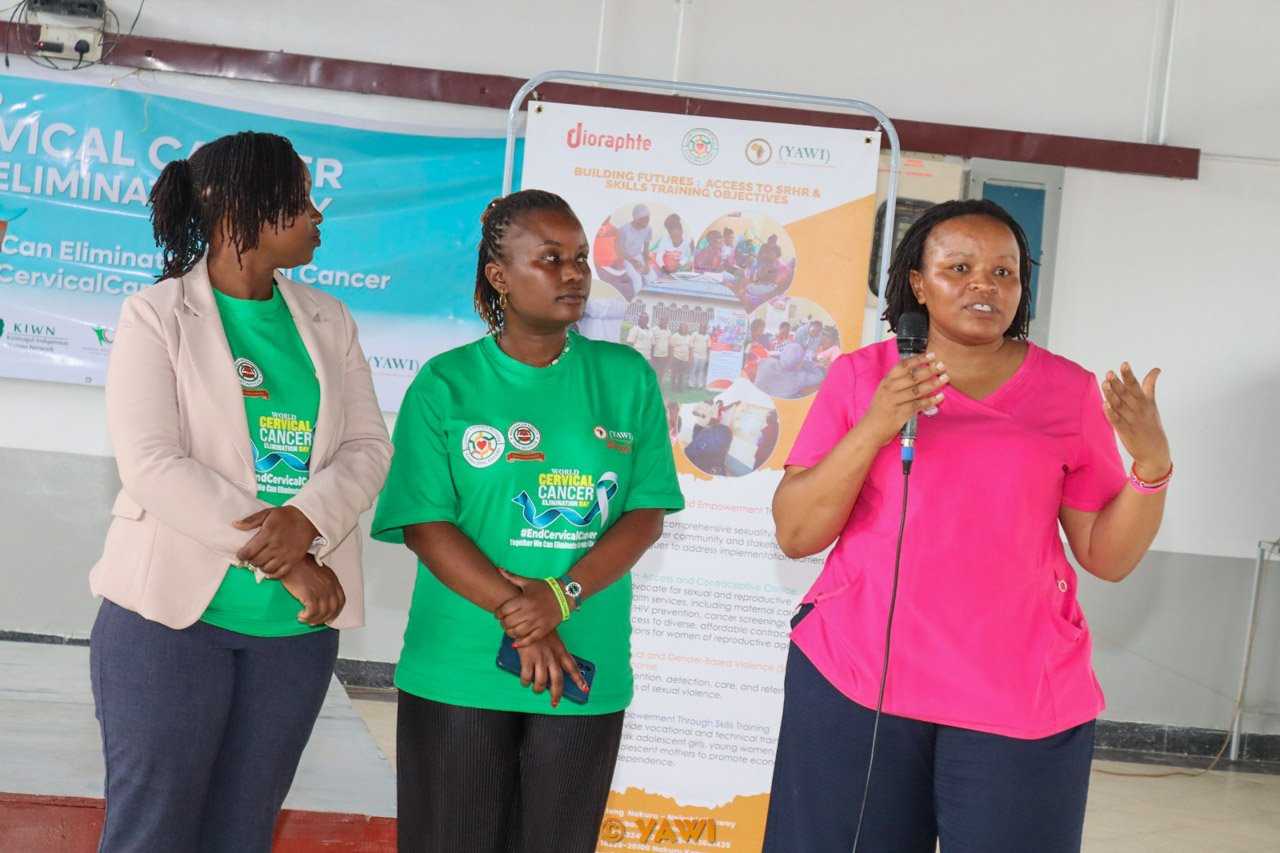
Kabarak University appreciates the support of the University Management in creating a learning environment that recognises the importance of holistic student and staff wellbeing. Special appreciation also goes to Women in Society Empowerment Organization (WISE), Youth Africa Women Initiatives (YAWI), Dioraphte and the other partners, as well as the healthcare professionals who shared their expertise and facilitated the sessions.
The University also acknowledges the leadership, staff and students of Nakuru City Campus and KABU TVET Institute for their participation and contribution to the success of the initiative.
Cervical cancer can be prevented. Screening saves lives. Let us all play our part in its elimination.