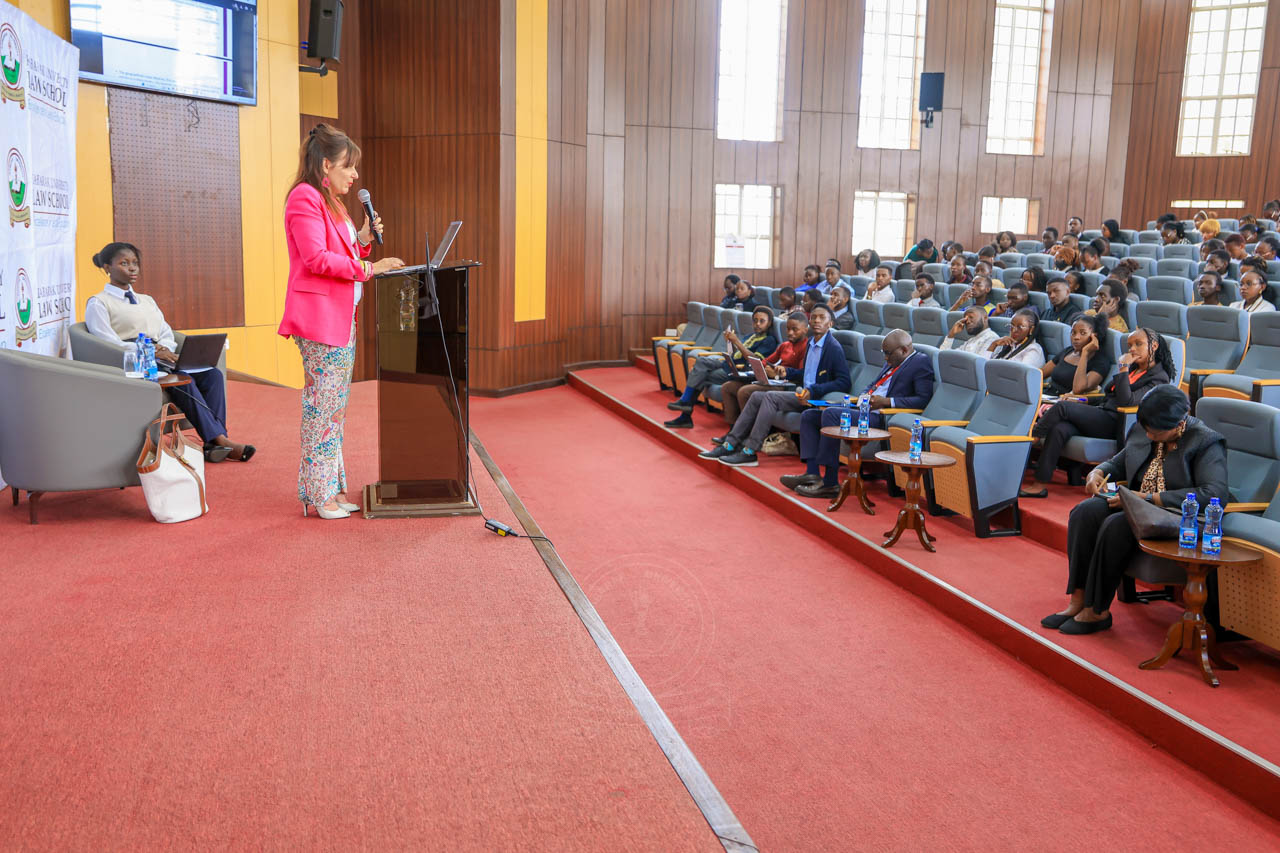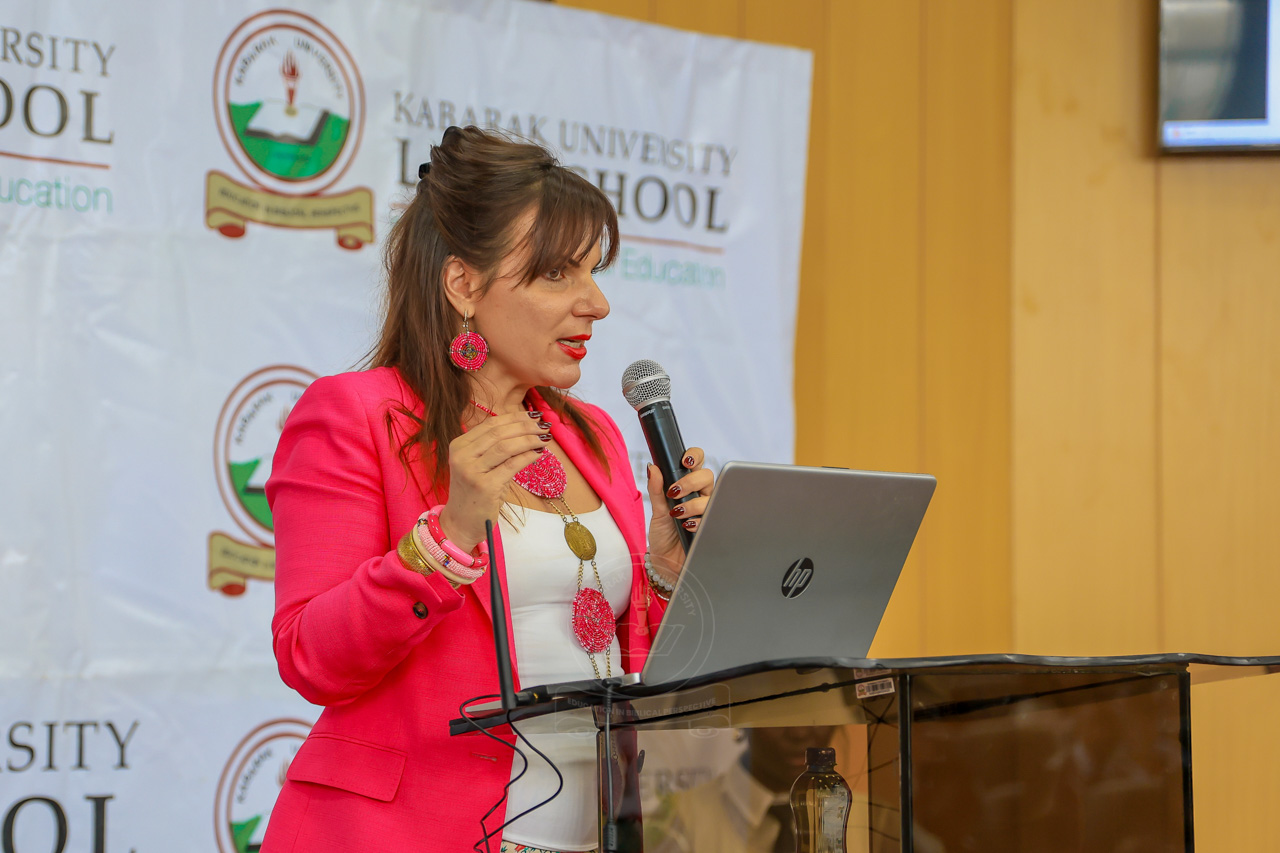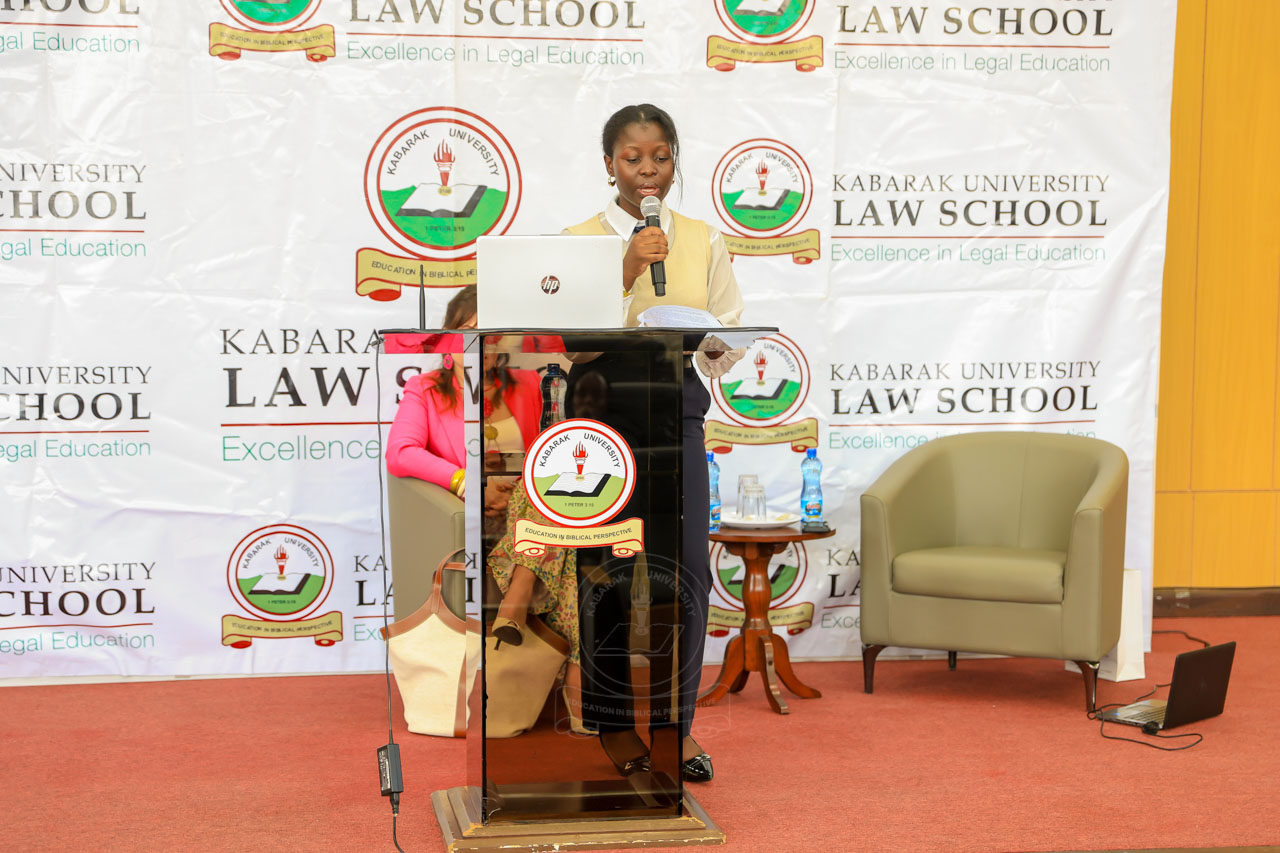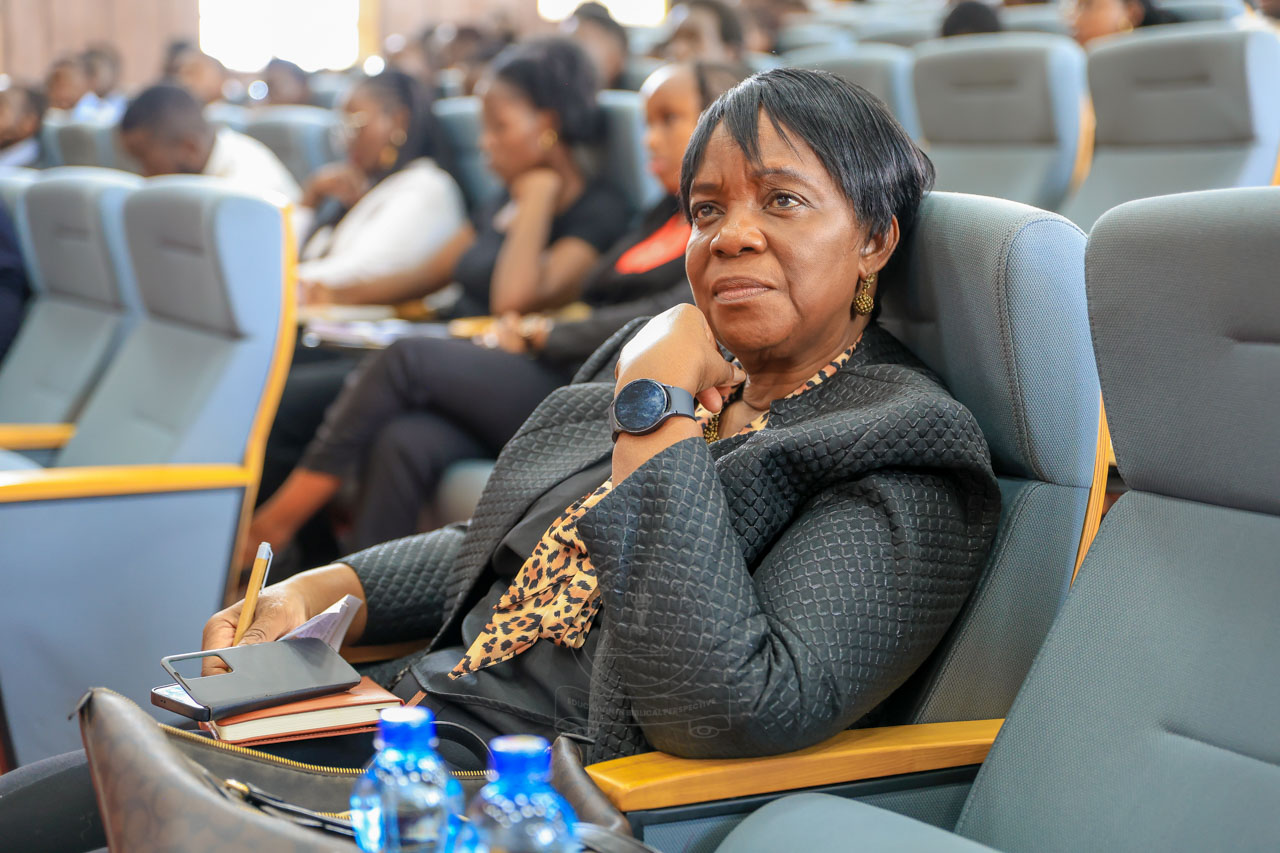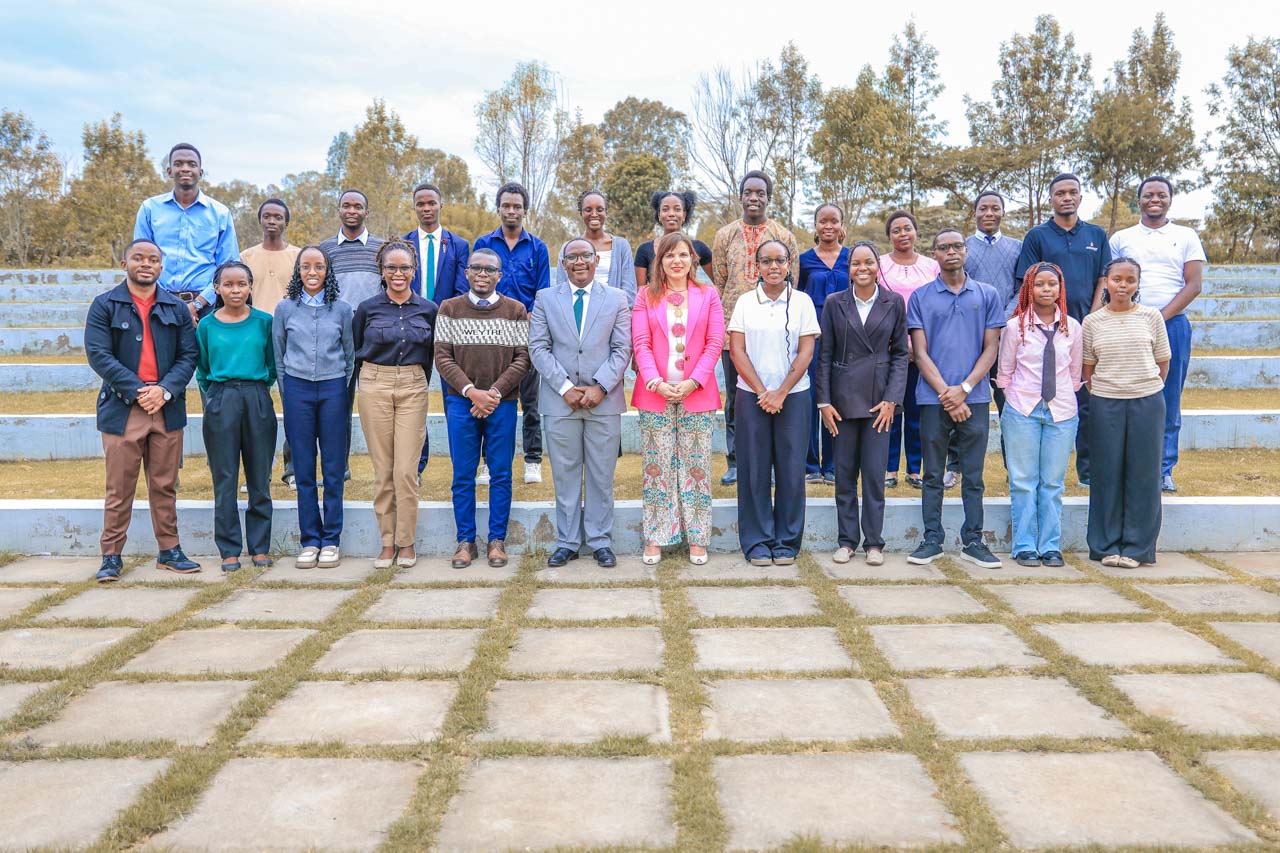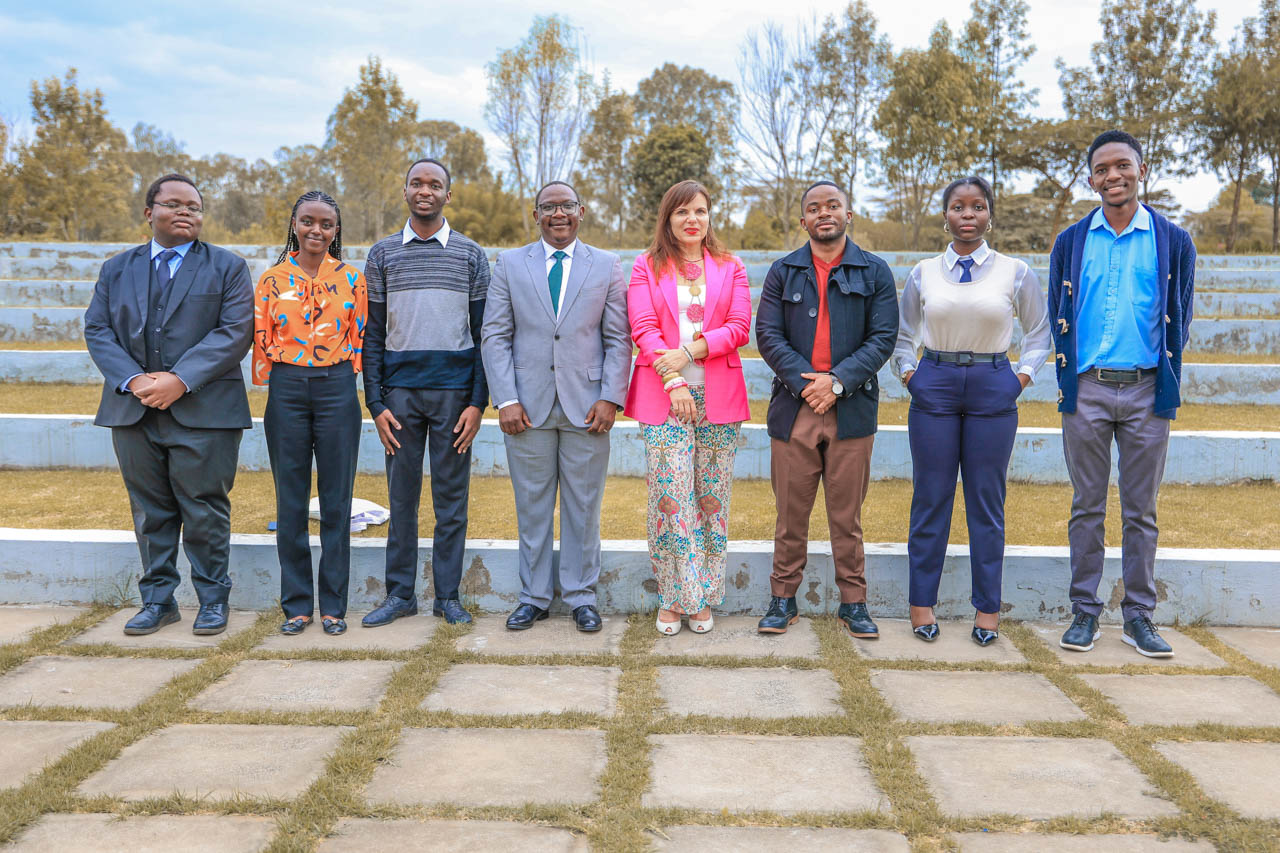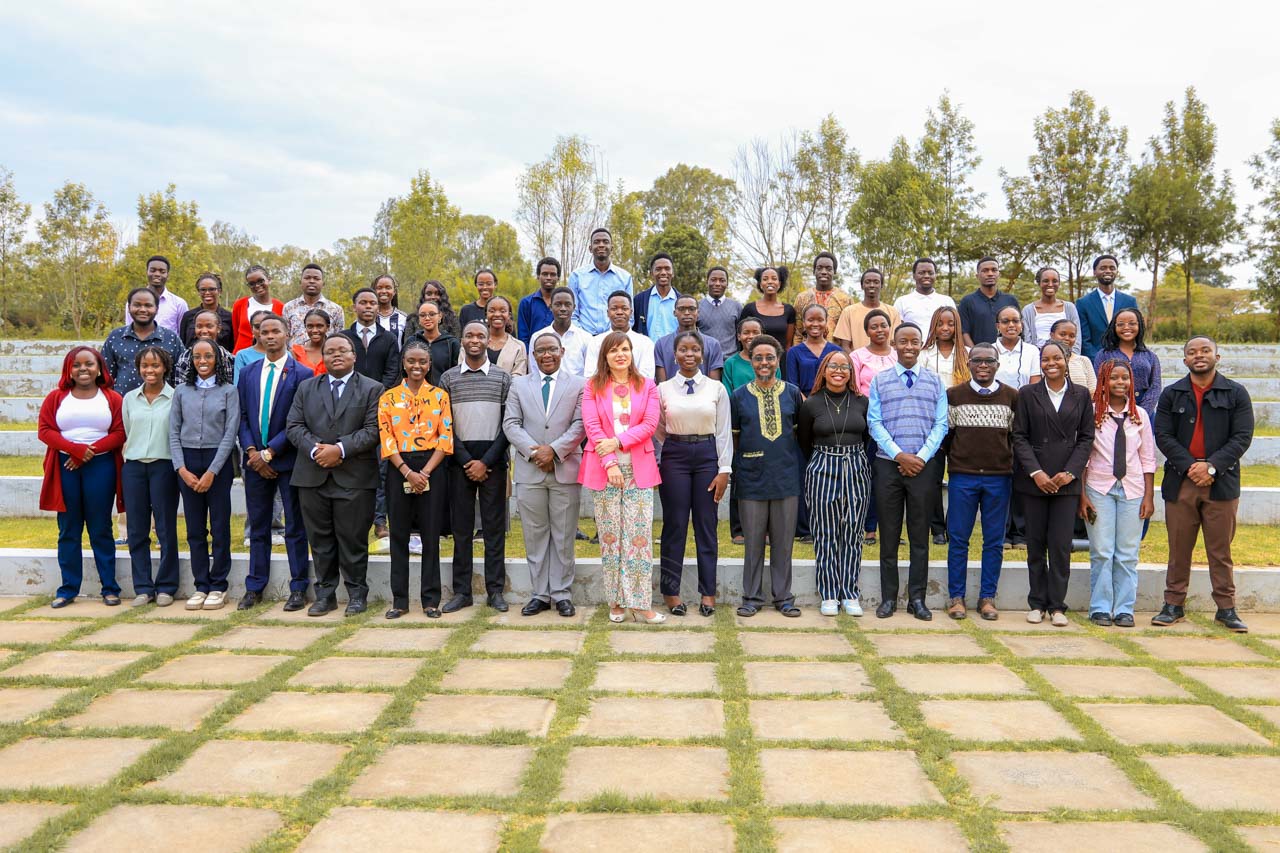

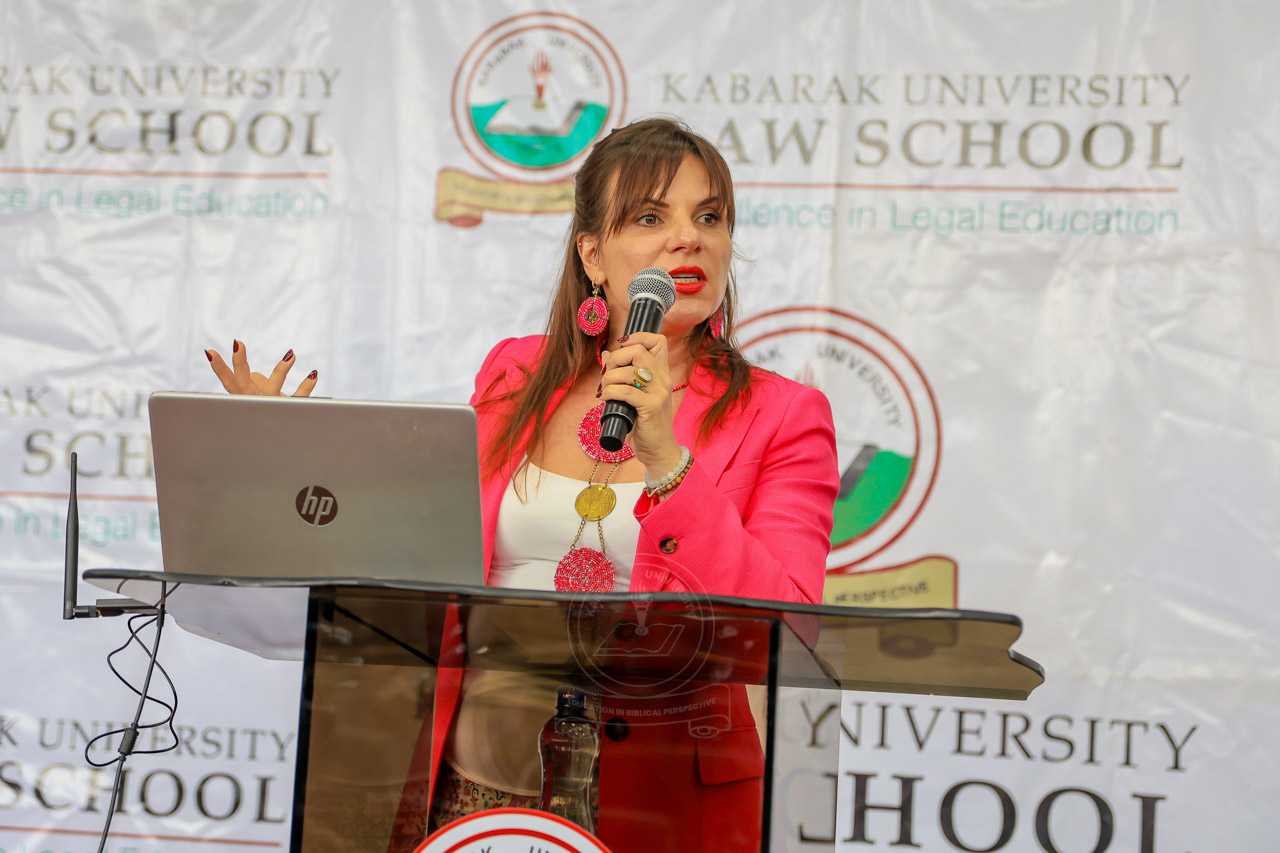
Kabarak University Law School recently hosted a distinguished public lecture delivered by Prof. (Dr.) Leïla Choukroune, Professor of International Law and Director of the Global Justice and Rights Research Centre at the University of Portsmouth. The lecture brought together law students and faculty members for an in-depth discussion on contemporary developments in international investment law and global justice.
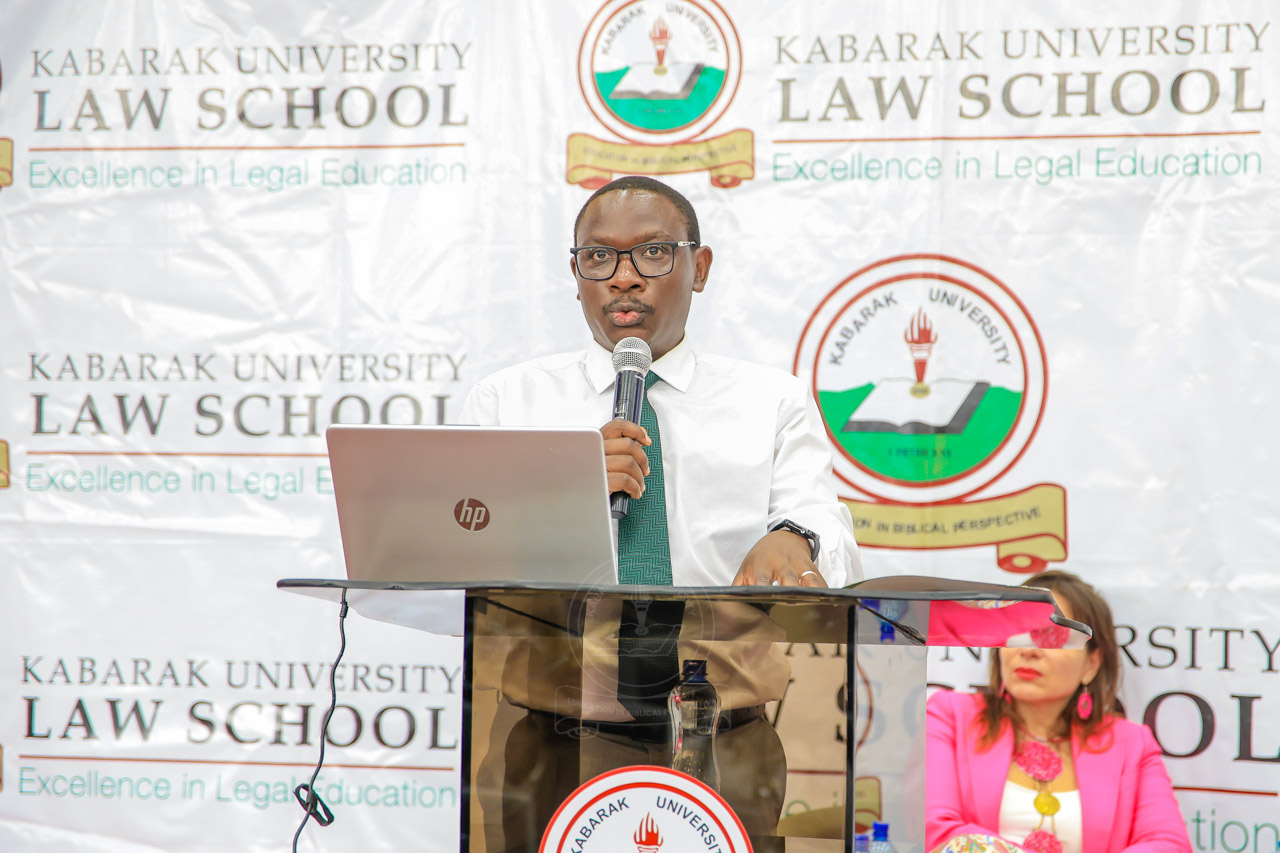
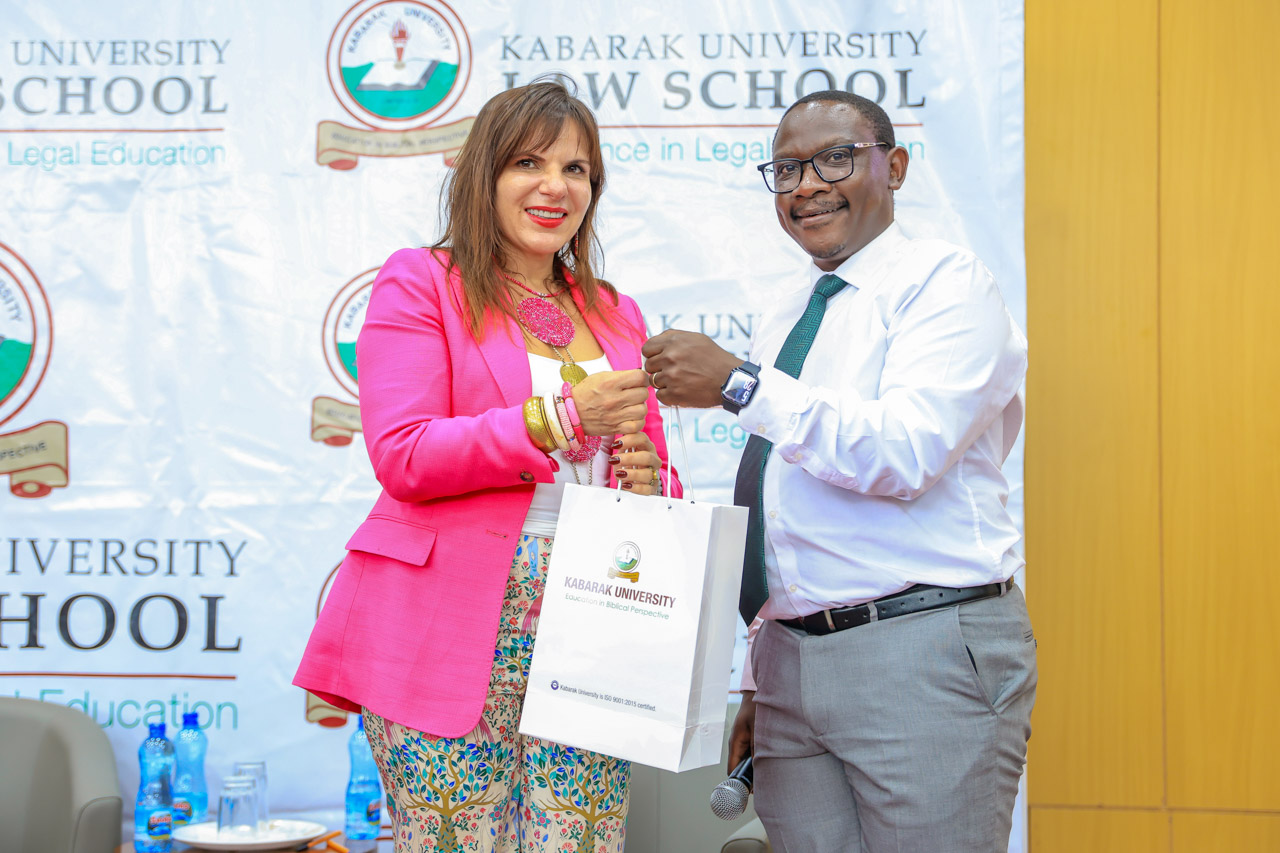
Prof. Choukroune was warmly welcomed by Dr. Harrison Otieno Mbori, the appointed Associate Dean of Kabarak Law School, alongside members of the Law School faculty.
The lecture, titled “Beyond the Bilateral: Reimagining the Role of Local Communities in Investment Treaties,” examined the evolving framework of international investment law. Prof. Choukroune traced the historical foundations of the investment regime, which has traditionally prioritized the protection of foreign investors through Bilateral Investment Treaties (BITs). She highlighted key standards such as Fair and Equitable Treatment (FET) and Full Protection and Security (FPS), noting that their broad interpretation has, in some cases, contributed to a democratic deficit by limiting states’ ability to implement public interest regulations in areas such as health, labour, and environmental protection.
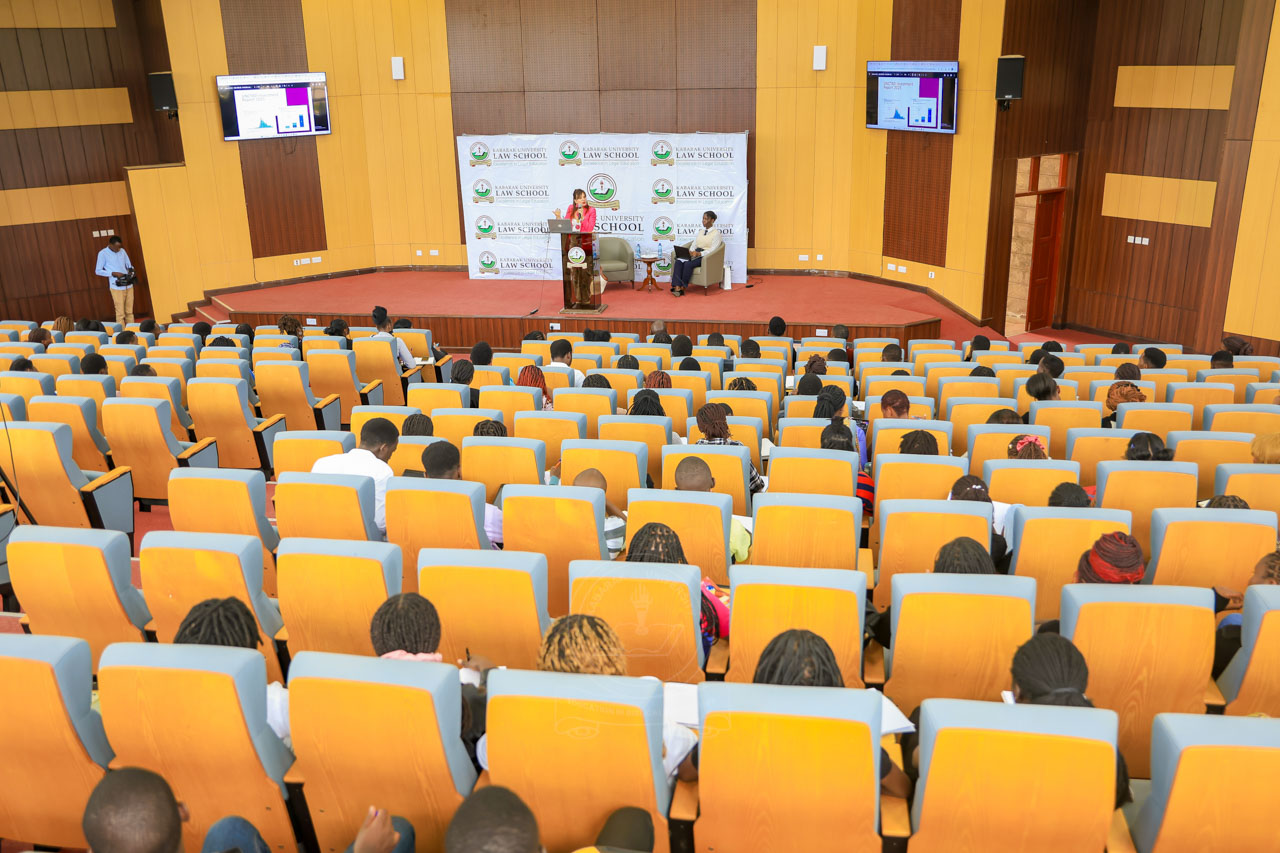
A significant part of the discussion focused on the Investor-State Dispute Settlement (ISDS) mechanism, which Prof. Choukroune described as a hybrid system combining elements of public international law and commercial arbitration. She outlined long-standing concerns regarding the lack of transparency, limited diversity among arbitrators, and restricted public participation. While ISDS was once viewed primarily as a challenge affecting developing countries, the increasing number of cases involving developed states has intensified global calls for reform. The lecture further situated these concerns within the framework of the United Nations Guiding Principles on Business and Human Rights, underscoring the need to balance investor protection with corporate accountability.
The lecture concluded with an examination of emerging trends toward a new generation of investment treaties that prioritize sustainable development, social responsibility, and cooperative governance. Prof. Choukroune referenced progressive regional initiatives, including the African Continental Free Trade Area (AfCFTA) investment protocols, as potential models for reform. These frameworks aim to rebalance investor-state relations by strengthening national legal systems, respecting state sovereignty, and promoting inclusive development.
The event provided Kabarak University law students with valuable insights into contemporary debates shaping international investment law. It reaffirmed the University’s role as a center for academic excellence, global engagement, and transformative legal education.