As part of its commitment to supporting academic excellence and student success, the Kabarak University Library conducted a library orientation and information literacy session on Friday, 19th June 2026, for first-year Bachelor of Pharmacy students.
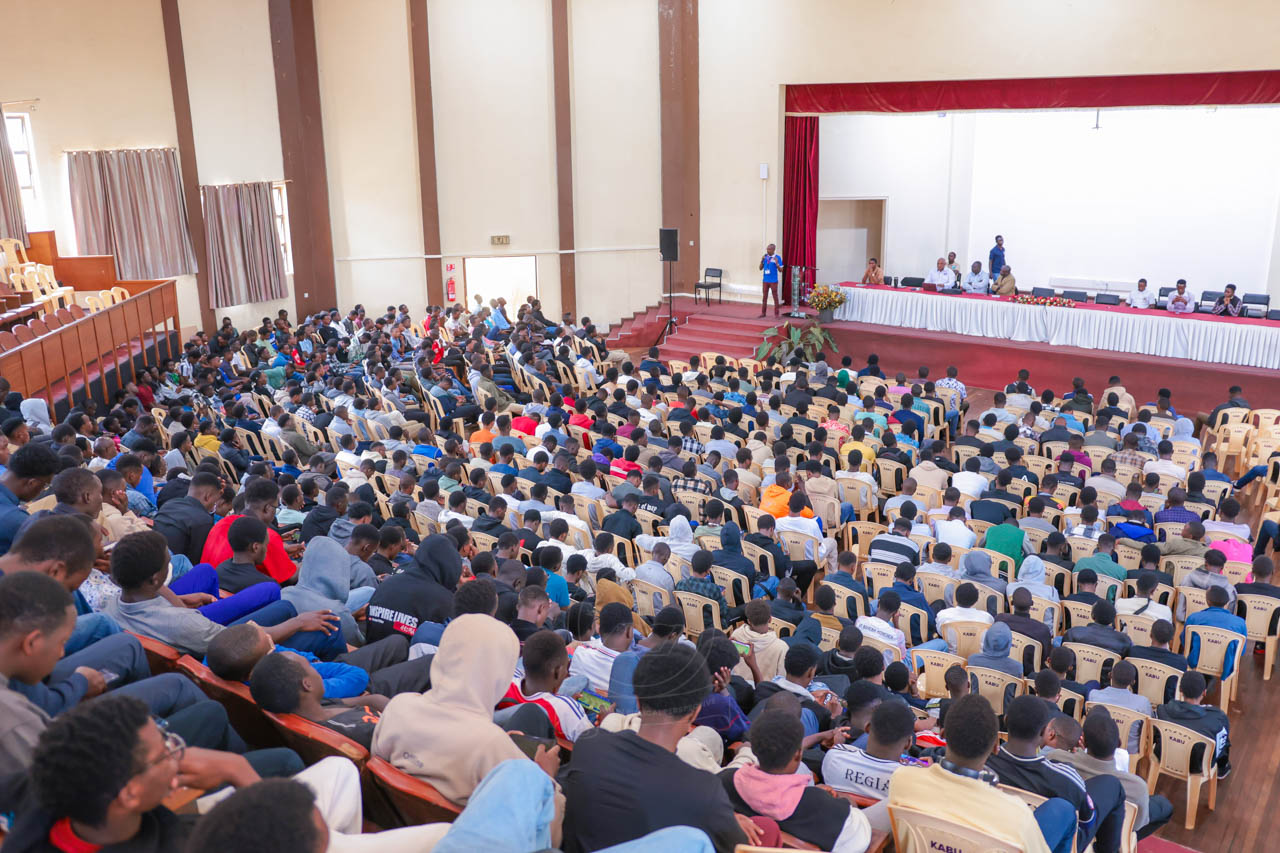
As part of Men’s Mental Health Month, the Kabarak University Health Sciences Students Association (KUHSSA) organized a peer talk at the KLAW 5 Lecture Hall, bringing students together for an honest conversation on mental health and emotional well-being.
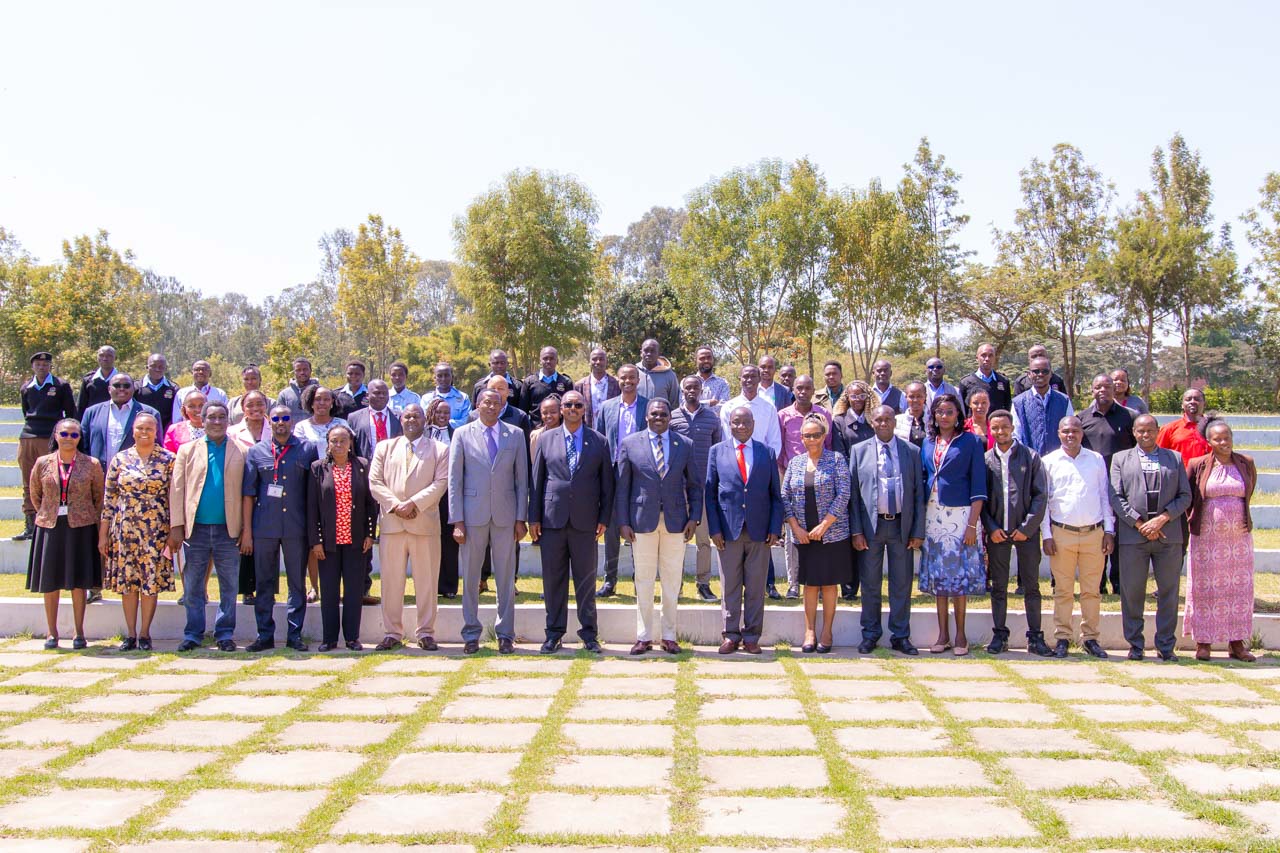
On 18th June 2026, Kabarak University hosted a two-member delegation from the Inter-University Council for East Africa (IUCEA) for an on-site verification exercise under the East African Community (EAC) Scholarship Programme.
In a significant stride toward standardising healthcare delivery and advancing clinical training, the Kabarak University Management Board conducted a comprehensive inspection of its newly completed physiotherapy and medical facility, marking another important step in the institution's commitment to excellence in healthcare training and service delivery.
Legal Representation is fundamental to protecting individual rights and ensuring a fair hearing as per Article 50 of the Constitution. Nevertheless, vulnerable groups, particularly persons with disabilities (PWDs), remain disproportionately excluded from representation. This is attributed to systematic ableism, lack of resources and inaccessibility of the justice system despite the enactment of the Legal Aid Act.
Access to justice is an essential element of the rule of law and democratic governance.[1] A just system can only function effectively when individuals are able to seek remedies for violations of their rights regardless of their economic or social status.